|
Description
|
The question usually asked about Africa is: 'why is it going wrong?' Is the continent still suffering from the ravages o...
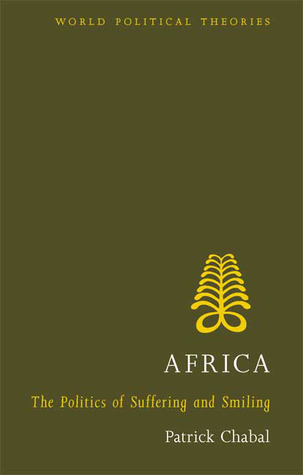
The question usually asked about Africa is: 'why is it going wrong?' Is the continent still suffering from the ravages of colonialism? Or is it the victim of postcolonial economic exploitation, poor governance and lack of aid? Whatever the answer, increasingly the result is poverty and violence. In Africa: the Politics of Suffering and Smiling Patrick Chabal approaches this question differently by reconsidering the role of theory in African politics. Chabal discusses the limitations of existing political theories of Africa and proposes a different starting point; arguing that political thinking ought to be driven by the need to address the immediacy of everyday life and death. How do people define who they are? Where do they belong? What do they believe? How do they struggle to survive and improve their lives? What is the impact of illness and poverty? In doing so, Chabal proposes a radically different way of looking at politics in Africa and illuminates the ways ordinary people 'suffer and smile'. This is a highly original addition to Zed's groundbreaking World Political Theories series. Author: Patrick Chabal ISBN:9781842779095
Read more
Show less
|
After years of frustration at the stifling atmosphere of political correctness surrounding discussions of Africa, long t...
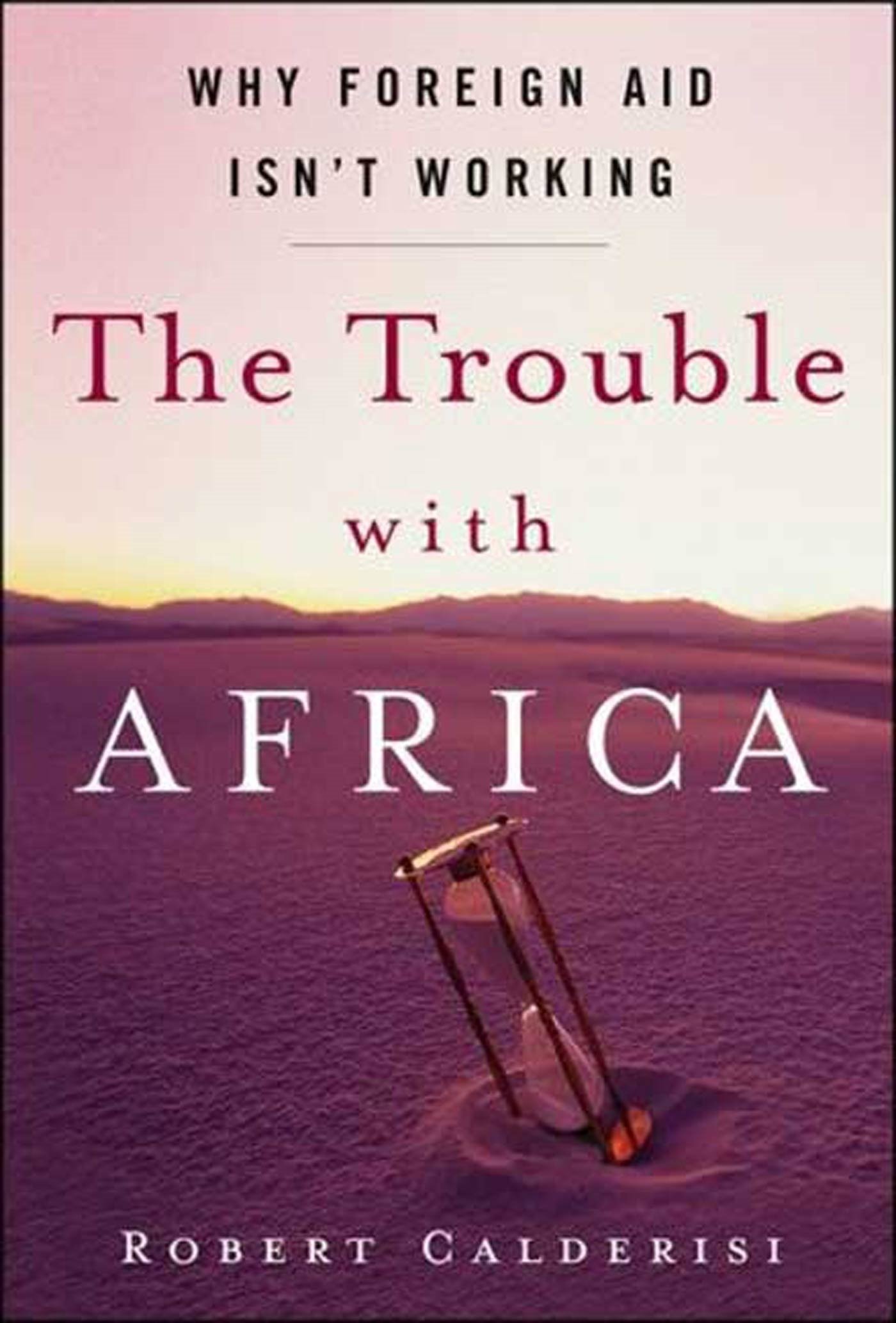
After years of frustration at the stifling atmosphere of political correctness surrounding discussions of Africa, long time World Bank official Robert Calderisi speaks out. He boldly reveals how most of Africa's misfortunes are self-imposed, and why the world must now deal differently with the continent. Here we learn that Africa has steadily lost markets by its own mismanagement, that even capitalist countries are anti-business, that African family values and fatalism are more destructive than tribalism, and that African leaders prey intentionally on Western guilt. Calderisi exposes the shortcomings of foreign aid and debt relief, and proposes his own radical solutions. Drawing on thirty years of first hand experience, The Trouble with Africa highlights issues which have been ignored by Africa's leaders but have worried ordinary Africans, diplomats, academics, business leaders, aid workers, volunteers, and missionaries for a long time. It ripples with stories which only someone who has talked directly to African farmers--and heads of state--could recount. Calderisi's aim is to move beyond the hand-wringing and finger-pointing which dominates most discussions of Africa. Instead, he suggests concrete steps which Africans and the world can take to liberate talent and enterprise on the continent. Author: Robert Calderisi ISBN:9781403976512
Read more
Show less
|
Between 2000 and 2010, six of the ten fastest-growing economies worldwide were African. In this favorable environment, h...
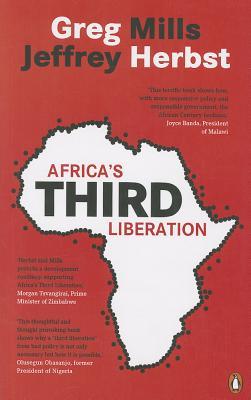
Between 2000 and 2010, six of the ten fastest-growing economies worldwide were African. In this favorable environment, how do we make sure jobs and poverty reduction follow? Now is the time for African countries to consider how economic growth and political liberalization should reinforce each other. Africa has experienced two liberations: the first from colonial and racist regimes and the second from the autocrats who often followed foreign rule. At the end of the 1970s, just three African countries regularly held multiparty elections; more than 40 do today. Africa’s political evolution points to a third liberation, one from political economies characterized by graft, crony capitalism, rent-seeking, elitism and social inequality. This liberation will open up the economic space in which business can compete, a necessary condition for expanding employment. The debate is about how Africa can realize its economic potential and avoid the disappointments of the first 50 years of independence. Using examples from Central and South America, South-East and South Asia, and the Middle East, the authors examine what means are best to match political liberalization with growth. Author: Greg Mills ISBN:9780143538820
Read more
Show less
|
Africa is poor. If we send it money it will be less poor. It seems perfectly logical, doesn't it? Millions of people in...
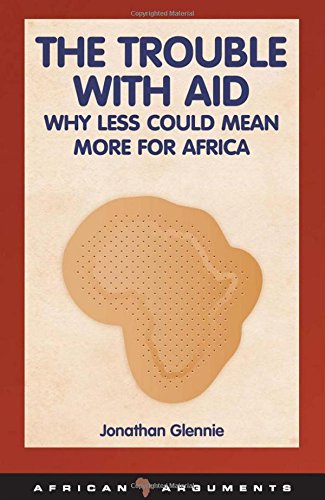
Africa is poor. If we send it money it will be less poor. It seems perfectly logical, doesn't it? Millions of people in the rich world, moved by images on television and appalled by the miserable conditions endured by so many in other countries, have joined campaigns to persuade their governments to double aid to Africa and help put an end to such shameful inequality. It seems simple. But it isn't. In this book, Jonathan Glennie argues that, along with its many benefits, government aid to Africa has often meant more poverty, more hungry people, worse basic services and damage to already precarious democratic institutions. Moreover, calls for more aid are drowning out pressure for action that would really make a difference for Africa’s poor. Rather than doubling aid to Africa, it is time to reduce aid dependency. Through an honest assessment of both the positive and negative consequences of aid, this book will show you why. Author: Jonathan Glennie ISBN:9781848130401
Read more
Show less
|