|
Description
|
Have you ever wondered what it will take to transform each African country into a prosperous nation where each citizen h...
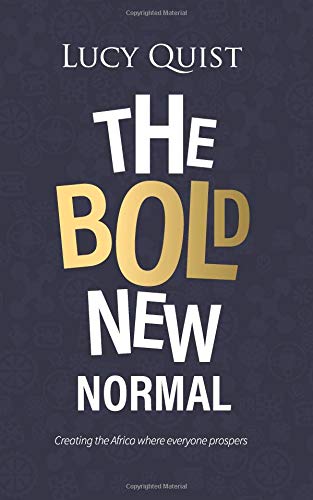
Have you ever wondered what it will take to transform each African country into a prosperous nation where each citizen has a real opportunity to thrive? Africa’s narrative has been shaped by a vision of the future that remains bleak. A vision that says a little more is okay for the African. It is time to challenge and change our paradigm of what great outcomes look like for an African country. It is time for The Bold New Normal of an Africa where citizens of each country genuinely have the opportunity to prosper. The formula for sustainable prosperity has been tried and tested world over. Why then do we continue to hope that a different method, that has thus far failed the continent, will create sustainable prosperity? The Bold New Normal is a timely publication that coincides with the 400th anniversary of the start of slavery: the year of return. 400 years since the unraveling of African began, it is time to piece her back together and focus forward. It is surely the time for The Bold New Normal! Author: Lucy Quist ISBN:9789988294496
Read more
Show less
|
Between 2000 and 2010, six of the ten fastest-growing economies worldwide were African. In this favorable environment, h...
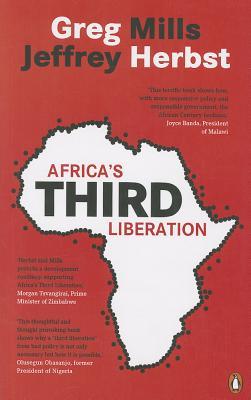
Between 2000 and 2010, six of the ten fastest-growing economies worldwide were African. In this favorable environment, how do we make sure jobs and poverty reduction follow? Now is the time for African countries to consider how economic growth and political liberalization should reinforce each other. Africa has experienced two liberations: the first from colonial and racist regimes and the second from the autocrats who often followed foreign rule. At the end of the 1970s, just three African countries regularly held multiparty elections; more than 40 do today. Africa’s political evolution points to a third liberation, one from political economies characterized by graft, crony capitalism, rent-seeking, elitism and social inequality. This liberation will open up the economic space in which business can compete, a necessary condition for expanding employment. The debate is about how Africa can realize its economic potential and avoid the disappointments of the first 50 years of independence. Using examples from Central and South America, South-East and South Asia, and the Middle East, the authors examine what means are best to match political liberalization with growth. Author: Greg Mills ISBN:9780143538820
Read more
Show less
|
'A superb book...genuinely innovative' Jack Spence OBE, King's College London Over the last half century, sub-Saharan Af...
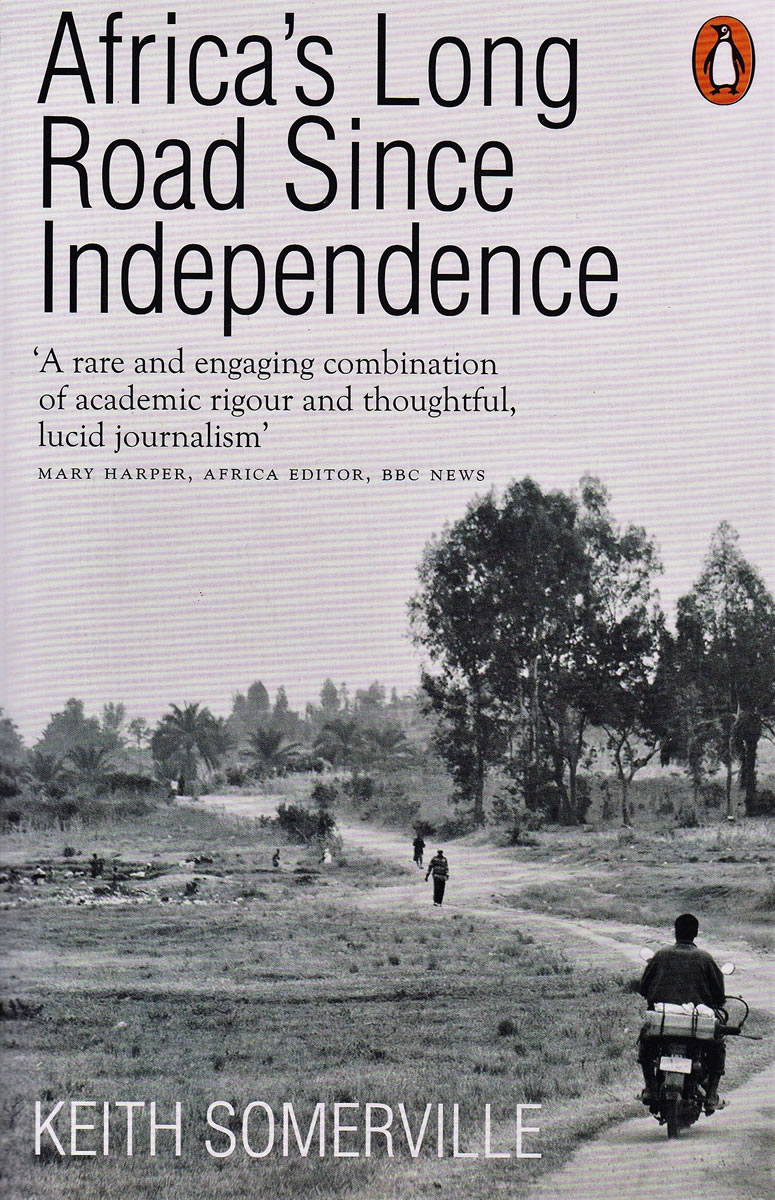
'A superb book...genuinely innovative' Jack Spence OBE, King's College London Over the last half century, sub-Saharan Africa has not had one history, but many. Histories that have intertwined, converged and diverged. They have involved a continuing process of decolonization and state-building, conflict, economic problems but also progress and the perpetual interplay of structure and agency. This new view of those histories looks in particular at the relationship between territorial, economic, political and societal structures and human agency in the complex and sometimes confusing development of an independent Africa. The story starts well before the granting of independence to Ghana in 1957, but the book also looks at Africa in the closing decades of the old millennium and opening ones of the new. This is a book, too, about the history of the peoples of Africa and their struggle for economic development against the global economic straitjacket into which they were strapped by colonial rule and decolonisation. The importance of imposed or inherited structures, whether the global capitalist system, of which Africa is a subordinate part, or the artificial and often inappropriate state borders and political systems is discussed in the light of the exercise of agency by African peoples, political movements and leaders. Author: Keith Somerville ISBN:9780141984094
Read more
Show less
|
African oil and gas are increasingly in demand because of technological advances, rising commodity prices, and an extrem...
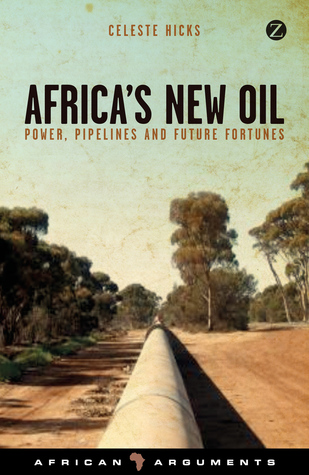
African oil and gas are increasingly in demand because of technological advances, rising commodity prices, and an extreme global thirst for energy. Countries like Niger, Uganda, Chad, Ghana, Kenya, and Tanzania are looking at the prospect of previously unimaginable flows of money into their national budgets. The story of African oil, however, is historically associated with disaster. Today, older producers, such as Angola, Nigeria, and Cameroon, have little to show for the many billions of dollars they’ve earned. Oil money has been shown to fuel conflict and corruption in these areas, creating a so-called “resource curse.” In Africa’s New Oil, former BBC correspondent Celeste Hicks uses original testimony from people working in the oil industries and the communities that surround them to question the inevitability of such an outcome and reveal what the discovery of oil means for ordinary African citizens. This revealing and insightful book is much-needed account of an issue likely to transform the fortunes and futures of several African countries—for better or for worse. Author: Celeste Hicks ISBN:9781783601127
Read more
Show less
|