|
Description
|
In 2006, Ben S. Bernanke was appointed chair of the Federal Reserve, capping a meteoric trajectory from a rural South Ca...
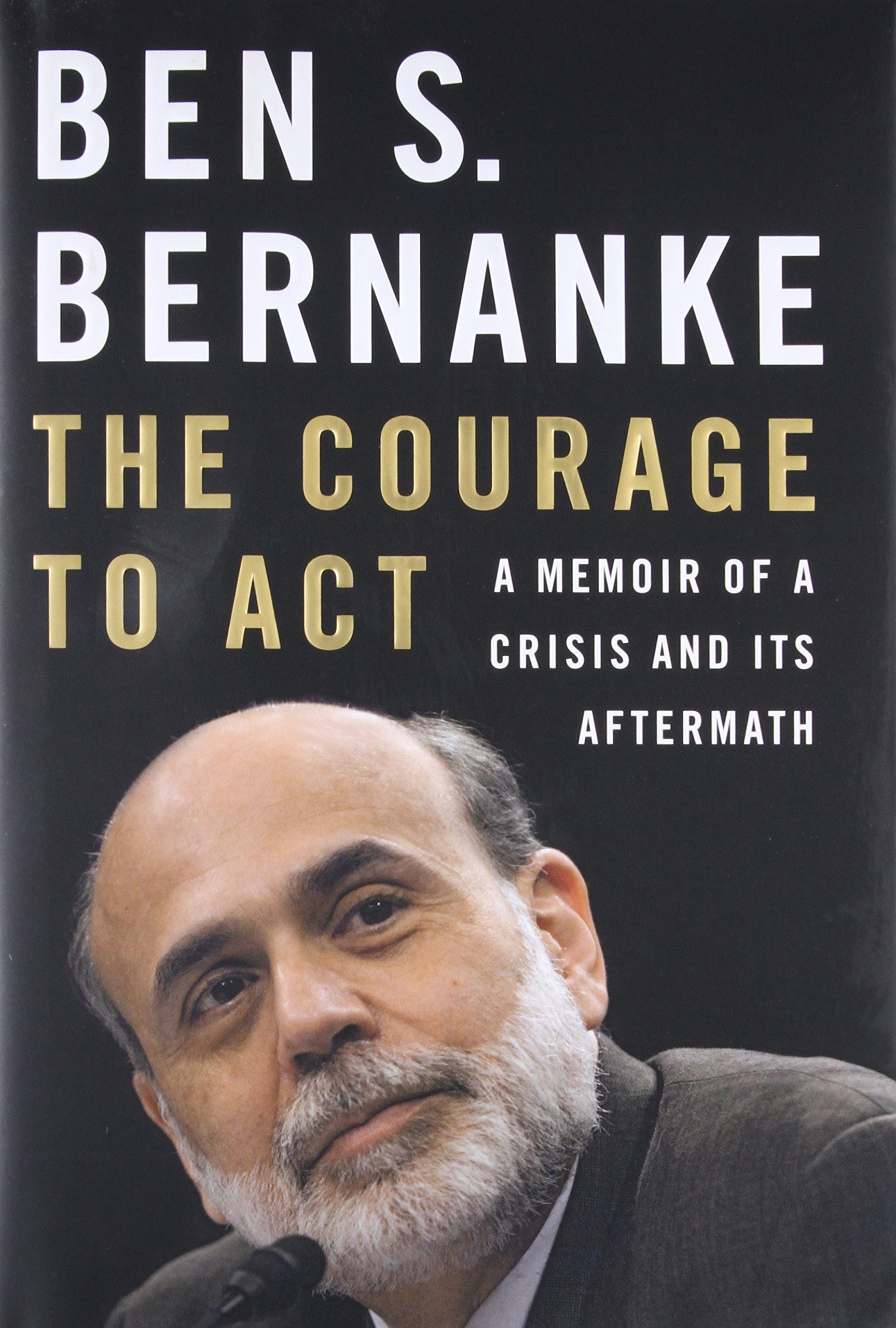
In 2006, Ben S. Bernanke was appointed chair of the Federal Reserve, capping a meteoric trajectory from a rural South Carolina childhood to professorships at Stanford and Princeton, to public service in Washington's halls of power. There would be no time to celebrate, however-the burst of the housing bubble in 2007 set off a domino effect that would bring the global financial system to the brink of meltdown. In The Courage to Act, Ben Bernanke pulls back the curtain on the tireless and ultimately successful efforts to prevent a mass economic failure. Working with two U.S. presidents and two Treasury secretaries, Dr. Bernanke and his colleagues used every Fed capability, no matter how arcane, to keep the U.S. economy afloat. From his arrival in Washington in 2002 and his experiences before the crisis, to the intense days and weeks of the crisis itself, and through the Great Recession that followed, Dr. Bernanke gives readers an unequaled perspective on the American economy. This narrative will reveal for the first time how the creativity and decisiveness of a few key leaders prevented an economic collapse of unimaginable scale. Author:Ben S Bernanke ISBN:9780393353990
Read more
Show less
|
In 2006, Ben S. Bernanke was appointed chair of the Federal Reserve, capping a meteoric trajectory from a rural South Ca...
In 2006, Ben S. Bernanke was appointed chair of the Federal Reserve, capping a meteoric trajectory from a rural South Carolina childhood to professorships at Stanford and Princeton, to public service in Washington's halls of power. There would be no time to celebrate, however-the burst of the housing bubble in 2007 set off a domino effect that would bring the global financial system to the brink of meltdown. In The Courage to Act, Ben Bernanke pulls back the curtain on the tireless and ultimately successful efforts to prevent a mass economic failure. Working with two U.S. presidents and two Treasury secretaries, Dr. Bernanke and his colleagues used every Fed capability, no matter how arcane, to keep the U.S. economy afloat. From his arrival in Washington in 2002 and his experiences before the crisis, to the intense days and weeks of the crisis itself, and through the Great Recession that followed, Dr. Bernanke gives readers an unequaled perspective on the American economy. This narrative will reveal for the first time how the creativity and decisiveness of a few key leaders prevented an economic collapse of unimaginable scale. Author:Ben S Bernanke ISBN:9780393353990
Read more
Show less
|
Winner of the 2010 Pulitzer Prize “A magisterial work…You can’t help thinking about the economic crisis we’re living thr...
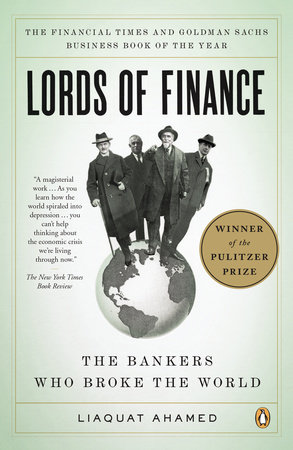
Winner of the 2010 Pulitzer Prize “A magisterial work…You can’t help thinking about the economic crisis we’re living through now.” —The New York Times Book Review It is commonly believed that the Great Depression that began in 1929 resulted from a confluence of events beyond any one person’s or government’s control. In fact, as Liaquat Ahamed reveals, it was the decisions made by a small number of central bankers that were the primary cause of that economic meltdown, the effects of which set the stage for World War II and reverberated for decades. As yet another period of economic turmoil makes headlines today, Lords of Finance is a potent reminder of the enormous impact that the decisions of central bankers can have, their fallibility, and the terrible human consequences that can result when they are wrong. Author: Liaquat Ahamed ISBN:9780099493082
Read more
Show less
|
In 1971, President Nixon imposed national price controls and took the United States off the gold standard, an extreme me...
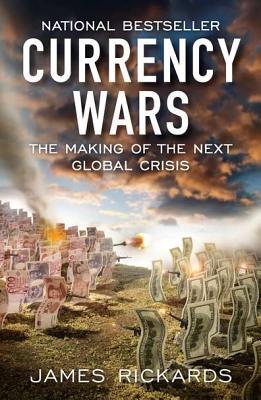
In 1971, President Nixon imposed national price controls and took the United States off the gold standard, an extreme measure intended to end an ongoing currency war that had destroyed faith in the U.S. dollar. Today we are engaged in a new currency war, and this time the consequences will be far worse than those that confronted Nixon.Currency wars are one of the most destructive and feared outcomes in international economics. At best, they offer the sorry spectacle of countries' stealing growth from their trading partners. At worst, they degenerate into sequential bouts of inflation, recession, retaliation, and sometimes actual violence. Left unchecked, the next currency war could lead to a crisis worse than the panic of 2008. Currency wars have happened before-twice in the last century alone-and they always end badly. Time and again, paper currencies have collapsed, assets have been frozen, gold has been confiscated, and capital controls have been imposed. And the next crash is overdue. Recent headlines about the debasement of the dollar, bailouts in Greece and Ireland, and Chinese currency manipulation are all indicators of the growing conflict. As James Rickards argues in Currency Wars, this is more than just a concern for economists and investors. The United States is facing serious threats to its national security, from clandestine gold purchases by China to the hidden agendas of sovereign wealth funds. Greater than any single threat is the very real danger of the collapse of the dollar itself. Baffling to many observers is the rank failure of economists to foresee or prevent the economic catastrophes of recent years. Not only have their theories failed to prevent calamity, they are making the currency wars worse. The U. S. Federal Reserve has engaged in the greatest gamble in the history of finance, a sustained effort to stimulate the economy by printing money on a trillion-dollar scale. Its solutions present hidden new dangers while resolving none of the current dilemmas. While the outcome of the new currency war is not yet certain, some version of the worst-case scenario is almost inevitable if U.S. and world economic leaders fail to learn from the mistakes of their predecessors. Rickards untangles the web of failed paradigms, wishful thinking, and arrogance driving current public policy and points the way toward a more informed and effective course of action. Author: James Rickards ISBN:9781591845560
Read more
Show less
|