|
Description
|
NAACP 2017 Image Award Winner With his trademark acerbic wit, incisive humor, and infectious paranoia, one of our foremo...
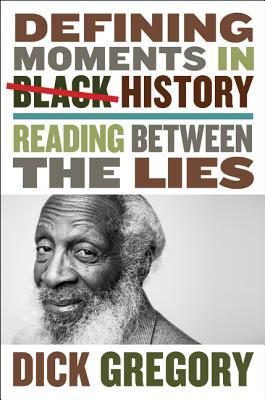
NAACP 2017 Image Award Winner With his trademark acerbic wit, incisive humor, and infectious paranoia, one of our foremost comedians and most politically engaged civil rights activists looks back at 100 key events from the complicated history of black America. A friend of luminaries including Dr. Martin Luther King, Jr. and Medgar Evers, and the forebear of today’s popular black comics, including Larry Wilmore, W. Kamau Bell, Damon Young, and Trevor Noah, Dick Gregory was a provocative and incisive cultural force for more than fifty years. As an entertainer, he always kept it indisputably real about race issues in America, fearlessly lacing laughter with hard truths. As a leading activist against injustice, he marched at Selma during the Civil Rights movement, organized student rallies to protest the Vietnam War; sat in at rallies for Native American and feminist rights; fought apartheid in South Africa; and participated in hunger strikes in support of Black Lives Matter. In this collection of thoughtful, provocative essays, Gregory charts the complex and often obscured history of the African American experience. In his unapologetically candid voice, he moves from African ancestry and surviving the Middle Passage to the creation of the Jheri Curl, the enjoyment of bacon and everything pig, the headline-making shootings of black men, and the Black Lives Matter movement. A captivating journey through time, Defining Moments in Black History explores historical movements such as The Great Migration and the Harlem Renaissance, as well as cultural touchstones such as Sidney Poitier winning the Best Actor Oscar for Lilies in the Field and Billie Holiday releasing Strange Fruit. An engaging look at black life that offers insightful commentary on the intricate history of the African American people, Defining Moments in Black History is an essential, no-holds-bar history lesson that will provoke, enlighten, and entertain Author: Dick Gregory ISBN:9780062448699
Read more
Show less
|
Some Americans cling desperately to the myth that we are living in a post-racial society, that the election of the first...
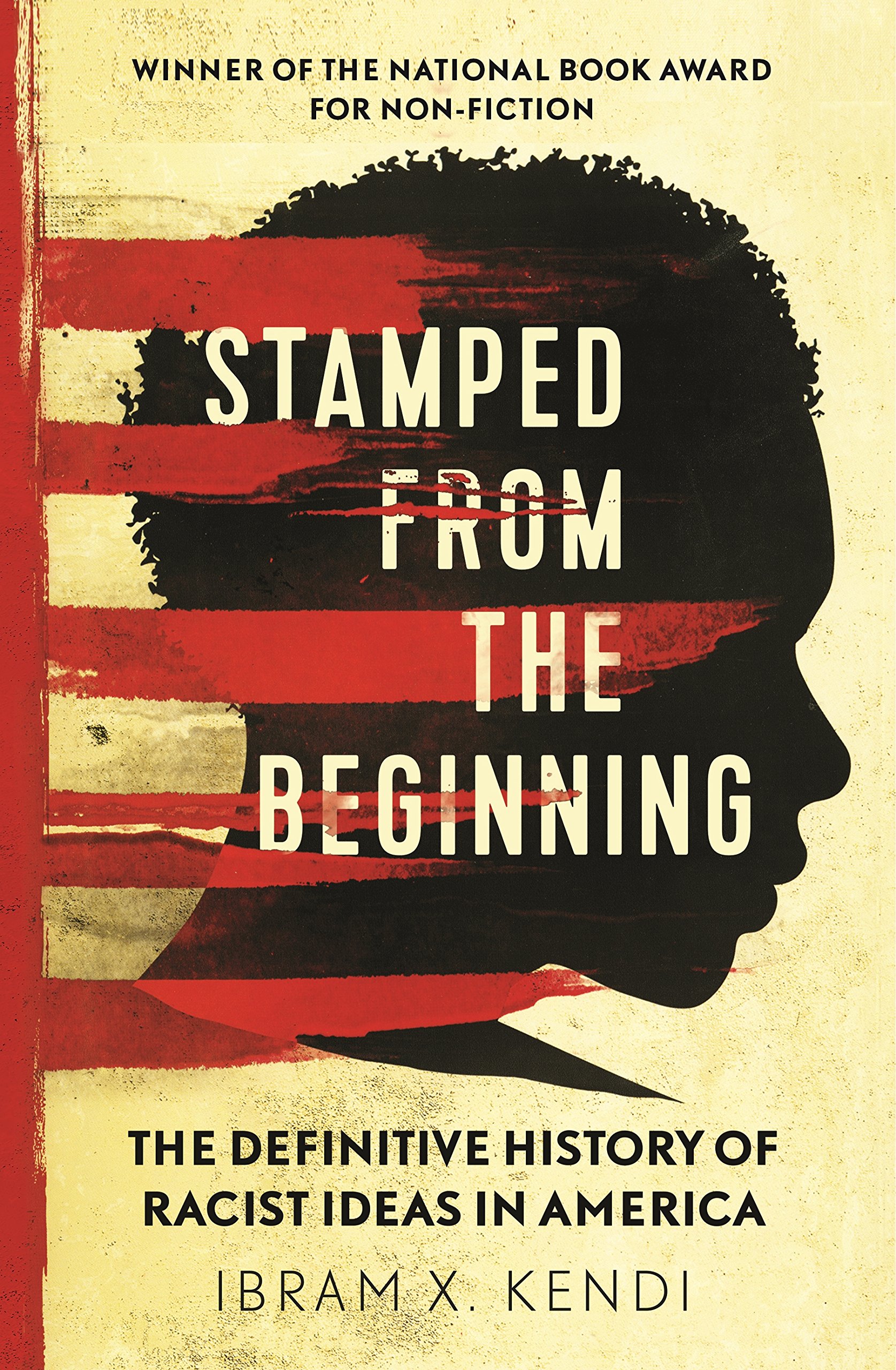
Some Americans cling desperately to the myth that we are living in a post-racial society, that the election of the first Black president spelled the doom of racism. In fact, racist thought is alive and well in America--more sophisticated and more insidious than ever. And as award-winning historian Ibram X. Kendi argues in Stamped from the Beginning, if we have any hope of grappling with this stark reality, we must first understand how racist ideas were developed, disseminated, and enshrined in American society. In this deeply researched and fast-moving narrative, Kendi chronicles the entire story of anti-Black racist ideas and their staggering power over the course of American history. Stamped from the Beginning uses the life stories of five major American intellectuals to offer a window into the contentious debates between assimilationists and segregationists and between racists and antiracists. From Puritan minister Cotton Mather to Thomas Jefferson, from fiery abolitionist William Lloyd Garrison to brilliant scholar W.E.B. Du Bois to legendary anti-prison activist Angela Davis, Kendi shows how and why some of our leading proslavery and pro-civil rights thinkers have challenged or helped cement racist ideas in America. Contrary to popular conceptions, racist ideas did not arise from ignorance or hatred. Instead, they were devised and honed by some of the most brilliant minds of each era. These intellectuals used their brilliance to justify and rationalize deeply entrenched discriminatory policies and the nation's racial disparities in everything from wealth to health. And while racist ideas are easily produced and easily consumed, they can also be discredited. In shedding much-needed light on the murky history of racist ideas, Stamped from the Beginning offers us the tools we need to expose them--and in the process, gives us reason to hope. Author: Ibram X Kendi ISBN:9781568585987
Read more
Show less
|
Longlisted for the National Book Award * Winner of the Robert F. Kennedy Book Award * A New York Times Notable Book * A...
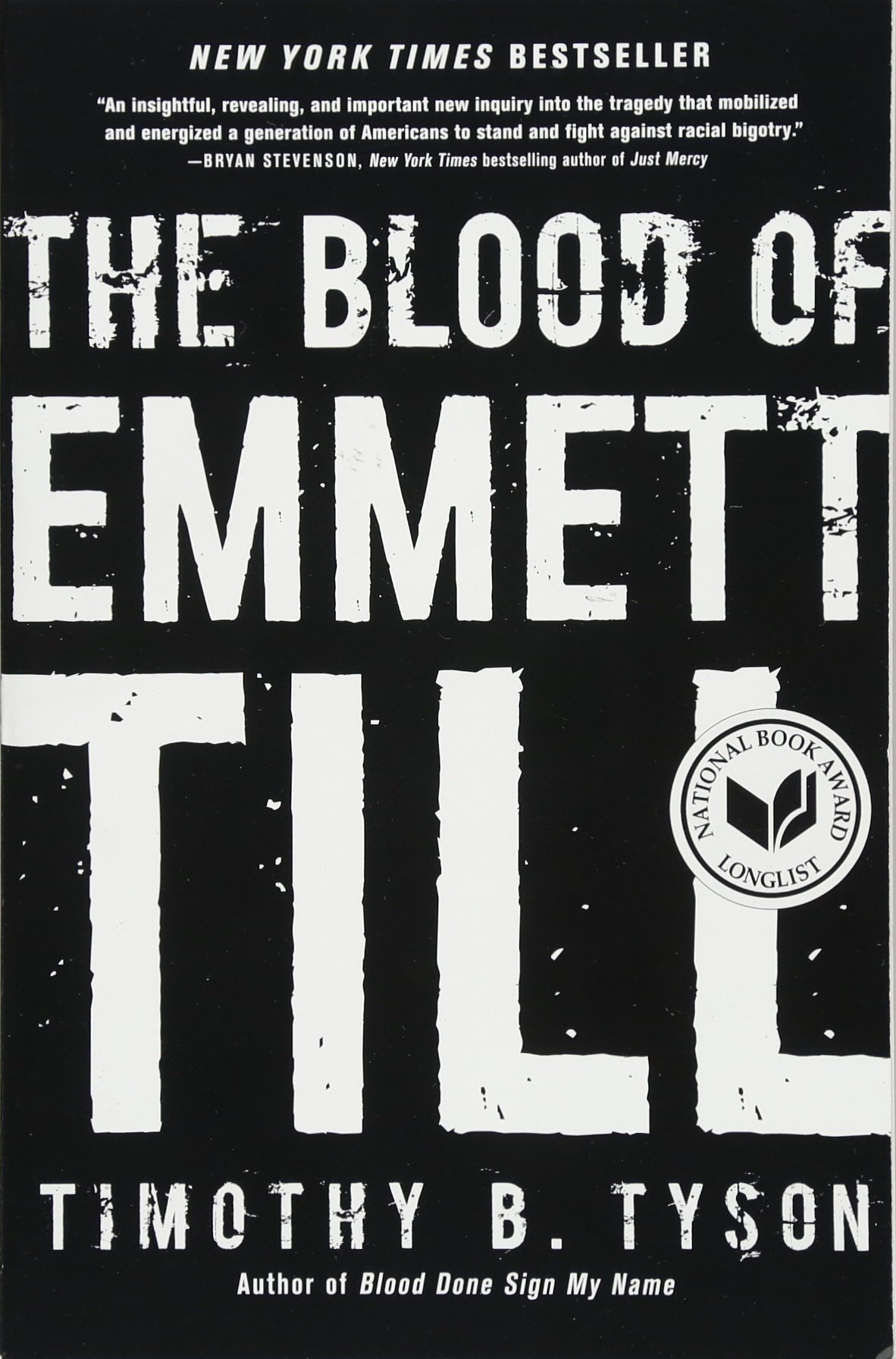
Longlisted for the National Book Award * Winner of the Robert F. Kennedy Book Award * A New York Times Notable Book * A Washington Post Notable Book * An NPR Best Book of 2017 * A Los Angeles Times Best Book of 2017 * An Atlanta Journal-Constitution Best Southern Book of 2017 * This extraordinary New York Times bestseller reexamines a pivotal event of the civil rights movement—the 1955 lynching of Emmett Till—“and demands that we do the one vital thing we aren’t often enough asked to do with history: learn from it” (The Atlantic). In 1955, white men in the Mississippi Delta lynched a fourteen-year-old from Chicago named Emmett Till. His murder was part of a wave of white terrorism in the wake of the 1954 Supreme Court decision that declared public school segregation unconstitutional. Only weeks later, Rosa Parks thought about young Emmett as she refused to move to the back of a city bus in Montgomery, Alabama. Five years later, Black students who called themselves “the Emmett Till generation” launched sit-in campaigns that turned the struggle for civil rights into a mass movement. Till’s lynching became the most notorious hate crime in American history. But what actually happened to Emmett Till—not the icon of injustice, but the flesh-and-blood boy? Part detective story, part political history, The Blood of Emmett Till “unfolds like a movie” (The Atlanta Journal-Constitution), drawing on a wealth of new evidence, including a shocking admission of Till’s innocence from the woman in whose name he was killed. “Jolting and powerful” (The Washington Post), the book “provides fresh insight into the way race has informed and deformed our democratic institutions” (Diane McWhorter, Pulitzer Prize–winning author of Carry Me Home) and “calls us to the cause of justice today” (Rev. Dr. William J. Barber, II, president of the North Carolina NAACP). Author: Timothy B. Tyson ISBN:9781476714851
Read more
Show less
|
Rosa Parks was often described as a sweet and reticent elderly woman whose tired feet caused her to defy segregation on...
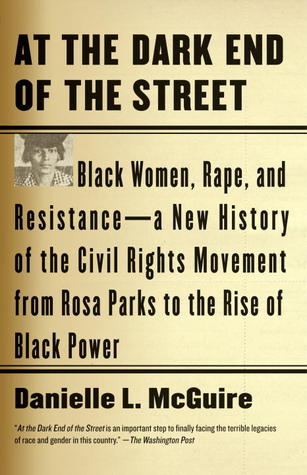
Rosa Parks was often described as a sweet and reticent elderly woman whose tired feet caused her to defy segregation on Montgomery’s city buses, and whose supposedly solitary, spontaneous act sparked the 1955 bus boycott that gave birth to the civil rights movement. The truth of who Rosa Parks was and what really lay beneath the 1955 boycott is far different from anything previously written. In this groundbreaking and important book, Danielle McGuire writes about the rape in 1944 of a twenty-four-year-old mother and sharecropper, Recy Taylor, who strolled toward home after an evening of singing and praying at the Rock Hill Holiness Church in Abbeville, Alabama. Seven white men, armed with knives and shotguns, ordered the young woman into their green Chevrolet, raped her, and left her for dead. The president of the local NAACP branch office sent his best investigator and organizer to Abbeville. Her name was Rosa Parks. In taking on this case, Parks launched a movement that ultimately changed the world. The author gives us the never-before-told history of how the civil rights movement began; how it was in part started in protest against the ritualistic rape of black women by white men who used economic intimidation, sexual violence, and terror to derail the freedom movement; and how those forces persisted unpunished throughout the Jim Crow era when white men assaulted black women to enforce rules of racial and economic hierarchy. Black women’s protests against sexual assault and interracial rape fueled civil rights campaigns throughout the South that began during World War II and went through to the Black Power movement. The Montgomery bus boycott was the baptism, not the birth, of that struggle. At the Dark End of the Street describes the decades of degradation black women on the Montgomery city buses endured on their way to cook and clean for their white bosses. It reveals how Rosa Parks, by 1955 one of the most radical activists in Alabama, had had enough. “There had to be a stopping place,” she said, “and this seemed to be the place for me to stop being pushed around.” Parks refused to move from her seat on the bus, was arrested, and, with fierce activist Jo Ann Robinson, organized a one-day bus boycott. The protest, intended to last twenty-four hours, became a yearlong struggle for dignity and justice. It broke the back of the Montgomery city bus lines and bankrupted the company. We see how and why Rosa Parks, instead of becoming a leader of the movement she helped to start, was turned into a symbol of virtuous black womanhood, sainted and celebrated for her quiet dignity, prim demeanor, and middle-class propriety—her radicalism all but erased. And we see as well how thousands of black women whose courage and fortitude helped to transform America were reduced to the footnotes of history. A controversial, moving, and courageous book; narrative history at its best. Author: Danielle L. Mcguire ISBN:9780307389244
Read more
Show less
|