|
Description
|
Yuval Noah Harari, author of the bestselling Sapiens: A Brief History of Humankind, envisions a not-too-distant world in...
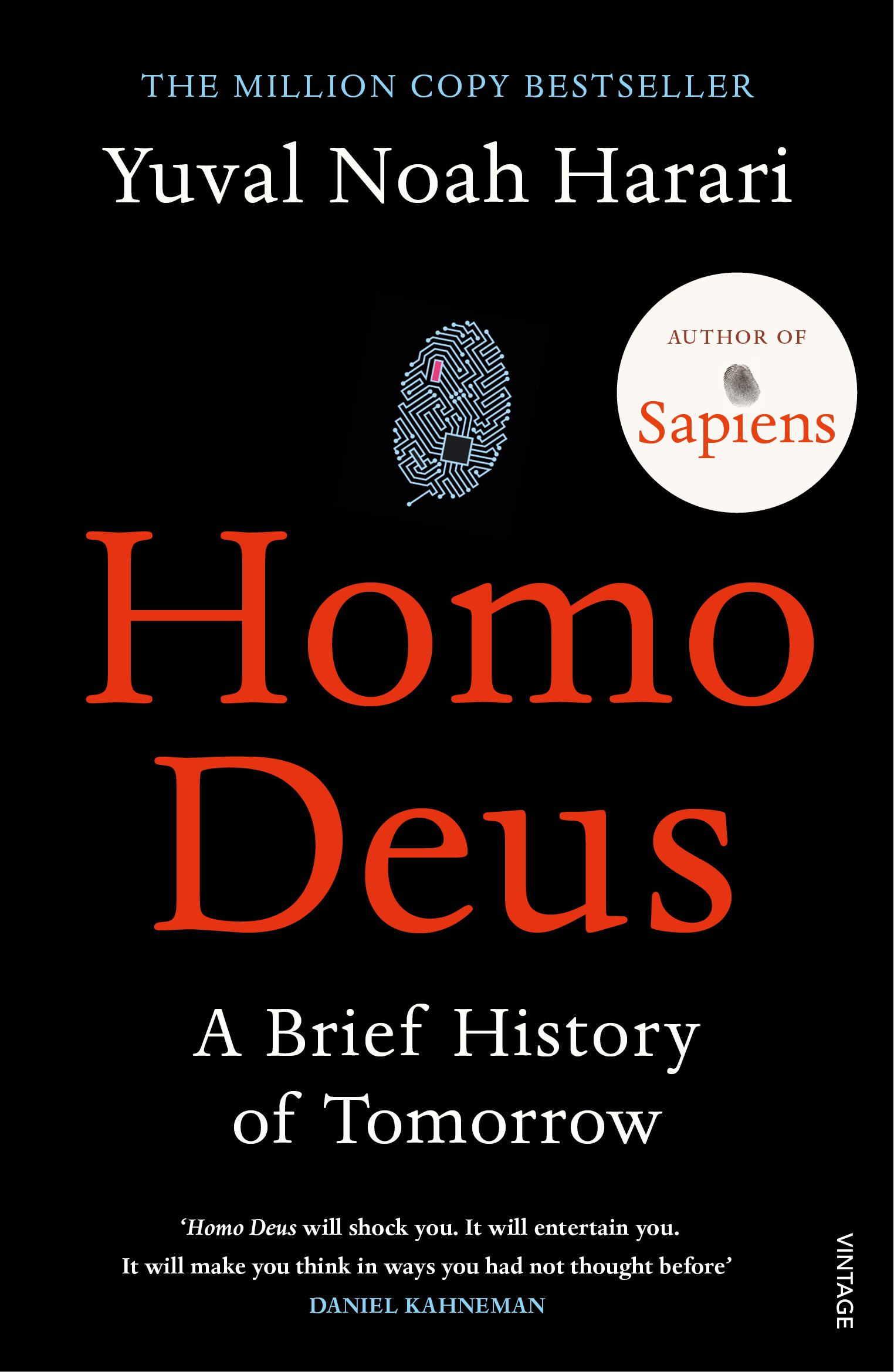
Yuval Noah Harari, author of the bestselling Sapiens: A Brief History of Humankind, envisions a not-too-distant world in which we face a new set of challenges. In Homo Deus, he examines our future with his trademark blend of science, history, philosophy and every discipline in between. Homo Deus explores the projects, dreams and nightmares that will shape the twenty-first century – from overcoming death to creating artificial life. It asks the fundamental questions: Where do we go from here? And how will we protect this fragile world from our own destructive powers? This is the next stage of evolution. This is Homo Deus. War is obsolete You are more likely to commit suicide than be killed in conflict Famine is disappearing You are at more risk of obesity than starvation Death is just a technical problem Equality is out – but immortality is in What does our future hold? Author:Yuval Noah Harari ISBN:9781784703936
Read more
Show less
|
We've all asked, "What is the world coming to?" But we seldom ask, "How bad was the world in the past?" In this startlin...
We've all asked, "What is the world coming to?" But we seldom ask, "How bad was the world in the past?" In this startling new book, the bestselling cognitive scientist Steven Pinker shows that the world of the past was much worse. In fact, we may be living in the most peaceable era yet. Evidence of a bloody history has always been around us: the genocides in the Old Testament and crucifixions in the New; the gory mutilations in Shakespeare and Grimm; the British monarchs who beheaded their relatives and the American founders who dueled with their rivals. Now the decline in these brutal practices can be quantified. Tribal warfare was nine times as deadly as war and genocide in the 20th century. The murder rate in medieval Europe was more than thirty times what it is today. Slavery, sadistic punishments, and frivolous executions were unexceptionable features of life for millennia, then were suddenly abolished. Wars between developed countries have vanished, and even in the developing world, wars kill a fraction of the numbers they did a few decades ago. Rape, hate crimes, deadly riots, child abuse - all substantially down.How could this have happened, if human nature has not changed? Pinker argues that the key to explaining the decline of violence is to understand the inner demons that incline us toward violence and the better angels that steer us away. Thanks to the spread of government, literacy, trade, and cosmopolitanism, we increasingly control our impulses, empathize with others, debunk toxic ideologies, and deploy our powers of reason to reduce the temptations of violence. Pinker will force you to rethink your deepest beliefs about progress, modernity, and human nature. This gripping book is sure to be among the most debated of the century so far. Author: Steven Pinker ISBN:9780141034645
Read more
Show less
|
Western civilization’s rise to global dominance is the single most important historical phenomenon of the past fiv...
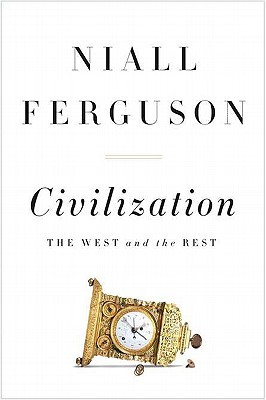
Western civilization’s rise to global dominance is the single most important historical phenomenon of the past five centuries. All over the world, more and more people study at Western-style universities, work for Western-style companies, vote for Western-style governments, take Western medicines, wear Western clothes, and play Western sports. Yet six hundred years ago the petty kingdoms of Western Europe seemed like miserable backwaters, ravaged by incessant war and pestilence. It was Ming China or Ottoman Turkey that had the look of world civilizations. How did the West overtake its Eastern rivals? And has the zenith of Western power now passed? In Civilization: The West and the Rest, acclaimed historian Niall Ferguson argues that, beginning in the fifteenth century, the West developed six powerful new concepts that the Rest lacked: competition, science, the rule of law, modern medicine, consumerism, and the work ethic. These were the ‘killer applications’ that allowed the West to leap ahead of the Rest; opening global trade routes, exploiting new scientific knowledge, evolving representative government, more than doubling life expectancy, unleashing the industrial revolution, and hugely increasing human productivity. Civilization shows exactly how a dozen Western empires came to control three-fifths of mankind and four-fifths of the world economy. Yet now, Ferguson argues, the days of Western predominance are numbered because the Rest have finally downloaded the six killer apps the West once monopolized – while the West has literally lost faith in itself. Chronicling the rise and fall of empires alongside the clashes of civilizations, Civilization recasts world history with verve and wit. Boldly argued but also teeming with memorable characters, this is Ferguson at his very best. Author: Niall Ferguson ISBN:9780141987934
Read more
Show less
|
A compulsively readable collection of all the nastiest things that have afflicted mankind Tsunamis, earthquakes, floods,...
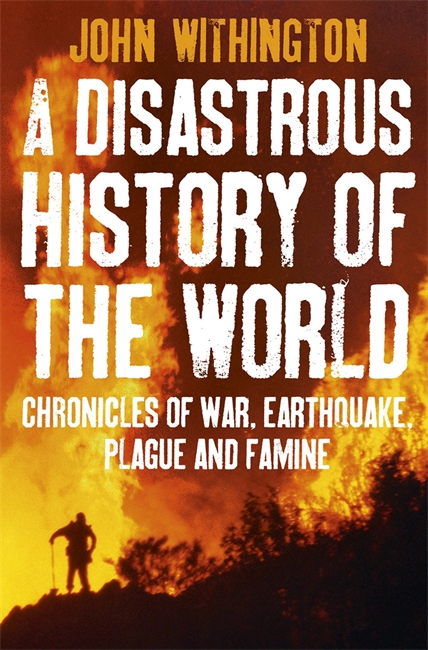
A compulsively readable collection of all the nastiest things that have afflicted mankind Tsunamis, earthquakes, floods, bird flu, international terrorism - the world seems to get more dangerous by the day. Or does it? John Withington's disturbing yet fascinating new book describes the worst things that have happened on Earth from the dawn of man to the present day. Part One chronicles all the major natural calamities - floods and earthquakes, volcanic eruptions, hurricanes and typhoons, plague and famine. Part Two describes in compelling detail the greatest man-made disasters - war and invasion, air raids, massacres, riots and terrorism, fires and explosions, shipwrecks, and air and train crashes. John Withington takes the reader on an epic journey through the annals of the nastiest things to have afflicted mankind. Out of all this horror, he has somehow fashioned a compulsively readble and entertaining book. Author: John Withington ISBN:9780749909789
Read more
Show less
|