|
Description
|
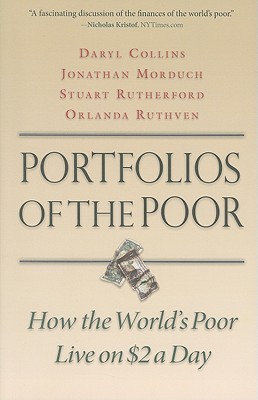
Nearly forty percent of humanity lives on an average of two dollars a day or less. If you've never had to survive on an...
Nearly forty percent of humanity lives on an average of two dollars a day or less. If you've never had to survive on an income so small, it is hard to imagine. How would you put food on the table, afford a home, and educate your children? How would you handle emergencies and old age? Every day, more than a billion people around the world must answer these questions. Portfolios of the Poor is the first book to systematically explain how the poor find solutions to their everyday financial problems. The authors conducted year-long interviews with impoverished villagers and slum dwellers in Bangladesh, India, and South Africa--records that track penny by penny how specific households manage their money. The stories of these families are often surprising and inspiring. Most poor households do not live hand to mouth, spending what they earn in a desperate bid to keep afloat. Instead, they employ financial tools, many linked to informal networks and family ties. They push money into savings for reserves, squeeze money out of creditors whenever possible, run sophisticated savings clubs, and use microfinancing wherever available. Their experiences reveal new methods to fight poverty and ways to envision the next generation of banks for the "bottom billion." Indispensable for those in development studies, economics, and microfinance, Portfolios of the Poor will appeal to anyone interested in knowing more about poverty and what can be done about it. Author: Daryl Collins ISBN:9780691148199
Read more
Show less
|
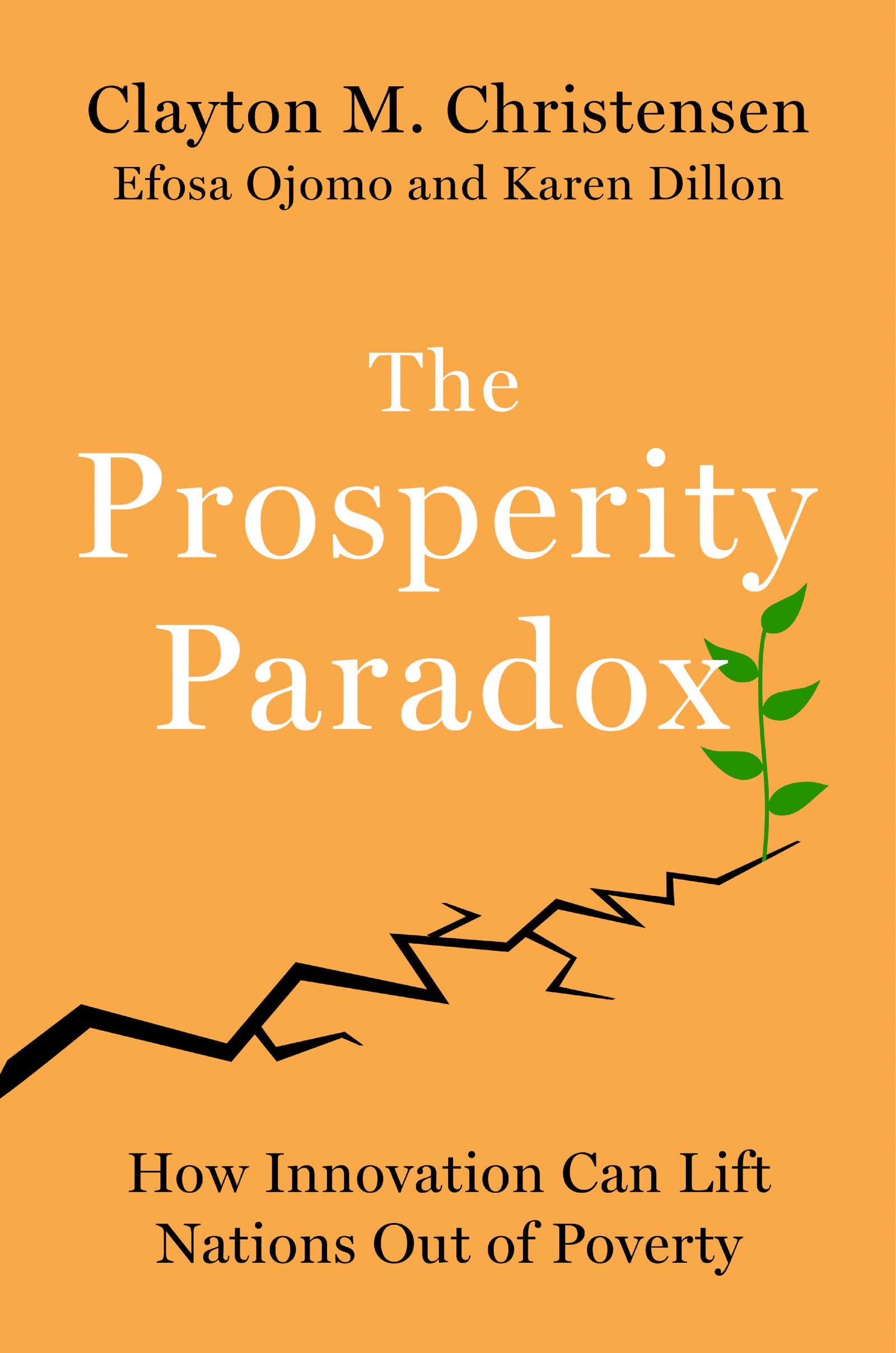
Clayton M. Christensen, the author of such business classics as The Innovator’s Dilemma and the New York Times bes...
Clayton M. Christensen, the author of such business classics as The Innovator’s Dilemma and the New York Times bestseller How Will You Measure Your Life, and co-authors Efosa Ojomo and Karen Dillon reveal why so many investments in economic development fail to generate sustainable prosperity, and offers a groundbreaking solution for true and lasting change. Global poverty is one of the world’s most vexing problems. For decades, we’ve assumed smart, well-intentioned people will eventually be able to change the economic trajectory of poor countries. From education to healthcare, infrastructure to eradicating corruption, too many solutions rely on trial and error. Essentially, the plan is often to identify areas that need help, flood them with resources, and hope to see change over time. But hope is not an effective strategy. Clayton M. Christensen and his co-authors reveal a paradox at the heart of our approach to solving poverty. While noble, our current solutions are not producing consistent results, and in some cases, have exacerbated the problem. At least twenty countries that have received billions of dollars’ worth of aid are poorer now. Applying the rigorous and theory-driven analysis he is known for, Christensen suggests a better way. The right kind of innovation not only builds companies—but also builds countries. The Prosperity Paradox identifies the limits of common economic development models, which tend to be top-down efforts, and offers a new framework for economic growth based on entrepreneurship and market-creating innovation. Christensen, Ojomo, and Dillon use successful examples from America’s own economic development, including Ford, Eastman Kodak, and Singer Sewing Machines, and shows how similar models have worked in other regions such as Japan, South Korea, Nigeria, Rwanda, India, Argentina, and Mexico. The ideas in this book will help companies desperate for real, long-term growth see actual, sustainable progress where they’ve failed before. But The Prosperity Paradox is more than a business book; it is a call to action for anyone who wants a fresh take for making the world a better and more prosperous place. Author:Clayton M Christensen, Efosa Ojomo, Karen Dillon ISBN:9780062851826
Read more
Show less
|
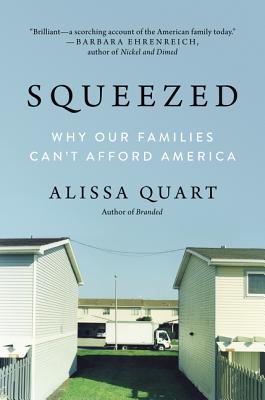
Families today are squeezed on every side—from high childcare costs and harsh employment policies to workplaces without...
Families today are squeezed on every side—from high childcare costs and harsh employment policies to workplaces without paid family leave or even dependable and regular working hours. Many realize that attaining the standard of living their parents managed has become impossible. Alissa Quart, executive editor of the Economic Hardship Reporting Project, examines the lives of many middle-class Americans who can now barely afford to raise children. Through gripping firsthand storytelling, Quart shows how America has failed its families. Her subjects—from professors to lawyers to caregivers to nurses—have been wrung out by a system that doesn’t support them and enriches only a tiny elite. Interlacing her own experience with close-up reporting on families that are just getting by, Quart reveals parenthood itself to be financially overwhelming, except for the wealthiest. She offers real solutions to these problems, including outlining necessary policy shifts, as well as detailing the do-it-yourself tactics some families are already putting into motion, and argues for the cultural reevaluation of parenthood and caregiving. Written in the spirit of Barbara Ehrenreich and Jennifer Senior, Squeezed is an eye-opening page-turner. Powerfully argued, deeply reported, and ultimately hopeful, it casts a bright, clarifying light on families Author: Alissa Quart ISBN:9780062412256
Read more
Show less
|
By the winner of the 1988 Nobel Prize in Economics, an essential and paradigm-altering framework for understanding econo...
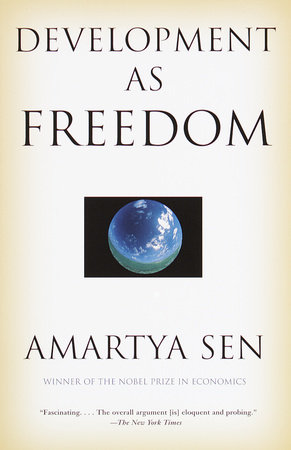
By the winner of the 1988 Nobel Prize in Economics, an essential and paradigm-altering framework for understanding economic development–for both rich and poor–in the twenty-first century. Freedom, Sen argues, is both the end and most efficient means of sustaining economic life and the key to securing the general welfare of the world’s entire population. Releasing the idea of individual freedom from association with any particular historical, intellectual, political, or religious tradition, Sen clearly demonstrates its current applicability and possibilities. In the new global economy, where, despite unprecedented increases in overall opulence, the contemporary world denies elementary freedoms to vast numbers–perhaps even the majority of people–he concludes, it is still possible to practically and optimistically restain a sense of social accountability. Development as Freedom is essential reading. Author: Amartya Sen ISBN:9780385720274
Read more
Show less
|