|
Description
|
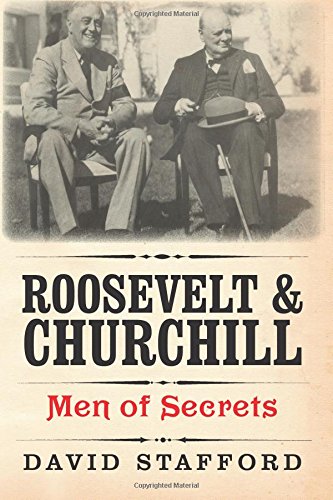
At the very heart of the special relationship between Britain and the United States lies an extraordinary sharing of sec...
At the very heart of the special relationship between Britain and the United States lies an extraordinary sharing of secret intelligence. This unique alliance was built during the Second World War thanks largely to the close relationship forged between the United States’ President Franklin D. Roosevelt and Britain’s wartime Prime Minister Winston Churchill. As the two leaders communicated almost daily by secret telegram and telephone, personal meetings and messages through intermediaries to develop an unprecedented level of trust, so their respective intelligences agencies began to share their closely guarded secrets in the fields of code breaking, human intelligence, and secret operations. Yet simultaneously each national leader sought to protect and advance his own country’s interests and thus on occasion withhold rather than share his secrets. How Roosevelt and Churchill managed this delicate task and yet still laid the foundations of the closest intelligence relationship between two nations the world has ever known lies at the heart of this gripping narrative. Author:David Stafford ISBN:9780349112824
Read more
Show less
|
*** Selected as a 2017 Book of the Year in the Guardian, Daily Telegraph, Observer and The Economist *** ‘A gripping sto...
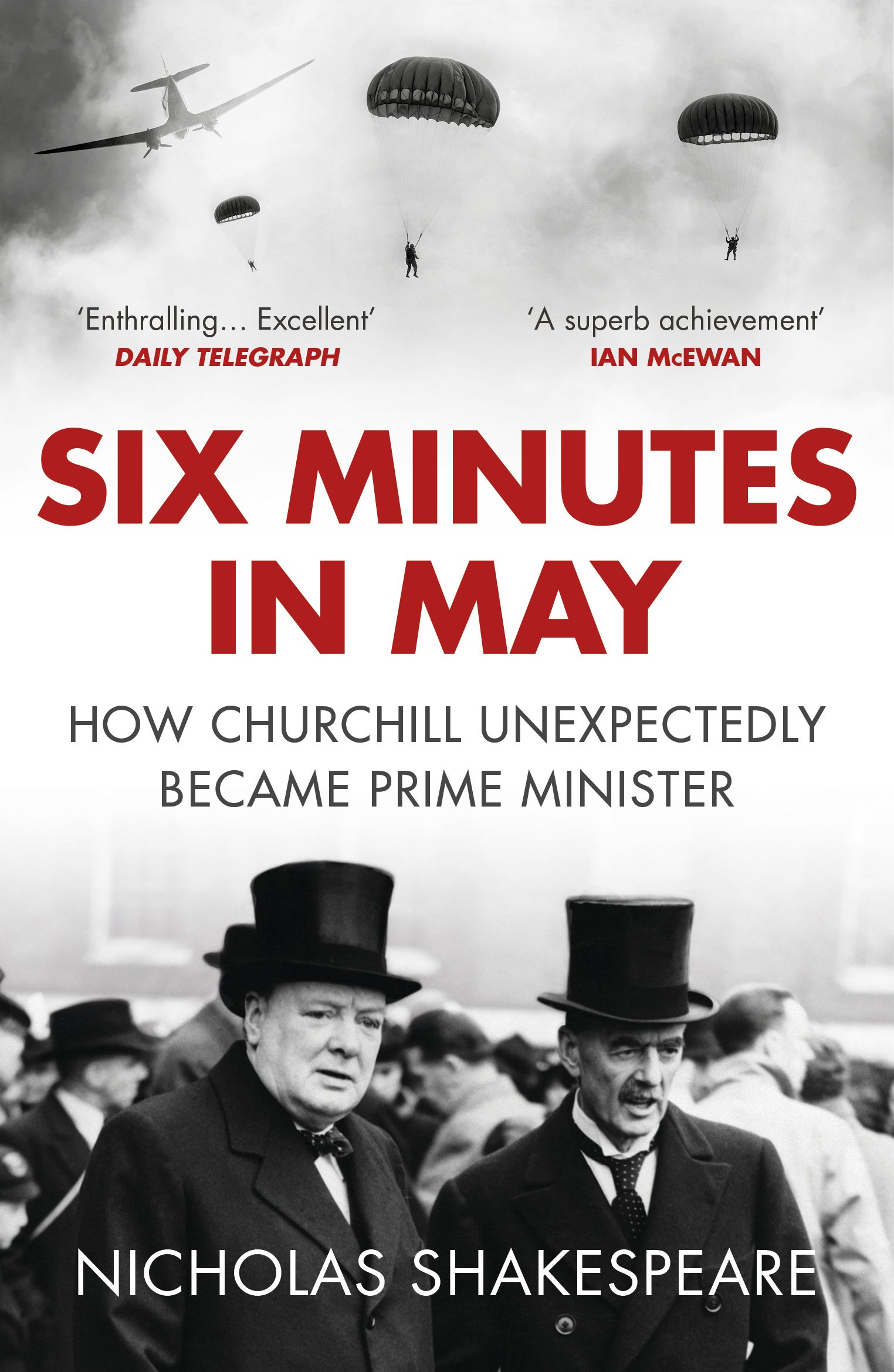
*** Selected as a 2017 Book of the Year in the Guardian, Daily Telegraph, Observer and The Economist *** ‘A gripping story of Churchill’s unlikely rise to power’ Observer London, May 1940. Britain is under threat of invasion and Neville Chamberlain’s government is about to fall. It is hard for us to imagine the Second World War without Winston Churchill taking the helm, but in Six Minutes in May Nicholas Shakespeare shows how easily events could have gone in a different direction. It took just six minutes for MPs to cast the votes that brought down Chamberlain. Shakespeare moves from Britain’s disastrous battle in Norway, for which many blamed Churchill, on to the dramatic developments in Westminster that led to Churchill becoming Prime Minister. Uncovering fascinating new research and delving into the key players’ backgrounds, Shakespeare gives us a new perspective on this critical moment in our history. ‘Totally captivating. It will stand as the best account of those extraordinary few days for very many years’ Andrew Roberts ‘Superbly written… Shakespeare has a novelist’s flair for depicting the characters and motives of men’ The Times ‘Utterly wonderful… It reads like a thriller’ Peter Frankopan Author: Nicholas Shakespeare ISBN:9781784701000
Read more
Show less
|
‘I have not become the King’s First Minister in order to preside over the liquidation of the British Empire.’ These noto...
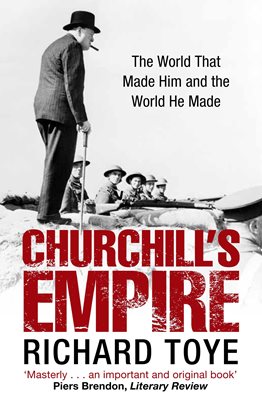
‘I have not become the King’s First Minister in order to preside over the liquidation of the British Empire.’ These notorious words, spoken by Churchill in 1942, encapsulate his image as an imperial die-hard, implacably opposed to colonial freedom – a reputation that has prevailed, and which Churchill willingly embraced to further his policies. Yet, as a youthful minister at the Colonial Office before World War I, his political opponents had seen him as a Little Englander and a danger to the Empire. Placing Churchill in the context of his times and his contemporaries, Richard Toye evaluates his position on key Imperial questions and examines what was conventional about Churchill’s opinions and what was unique. Combining a lightness of touch and entertaining storytelling with expert and insightful analysis, the result is a vivid and dynamic account of a remarkable man and an extraordinary era. Author: Richard Toye ISBN:9780330455770
Read more
Show less
|
The most eloquent and expressive statesman of his time - phrases such as 'iron curtain', 'business as usual', 'the few',...
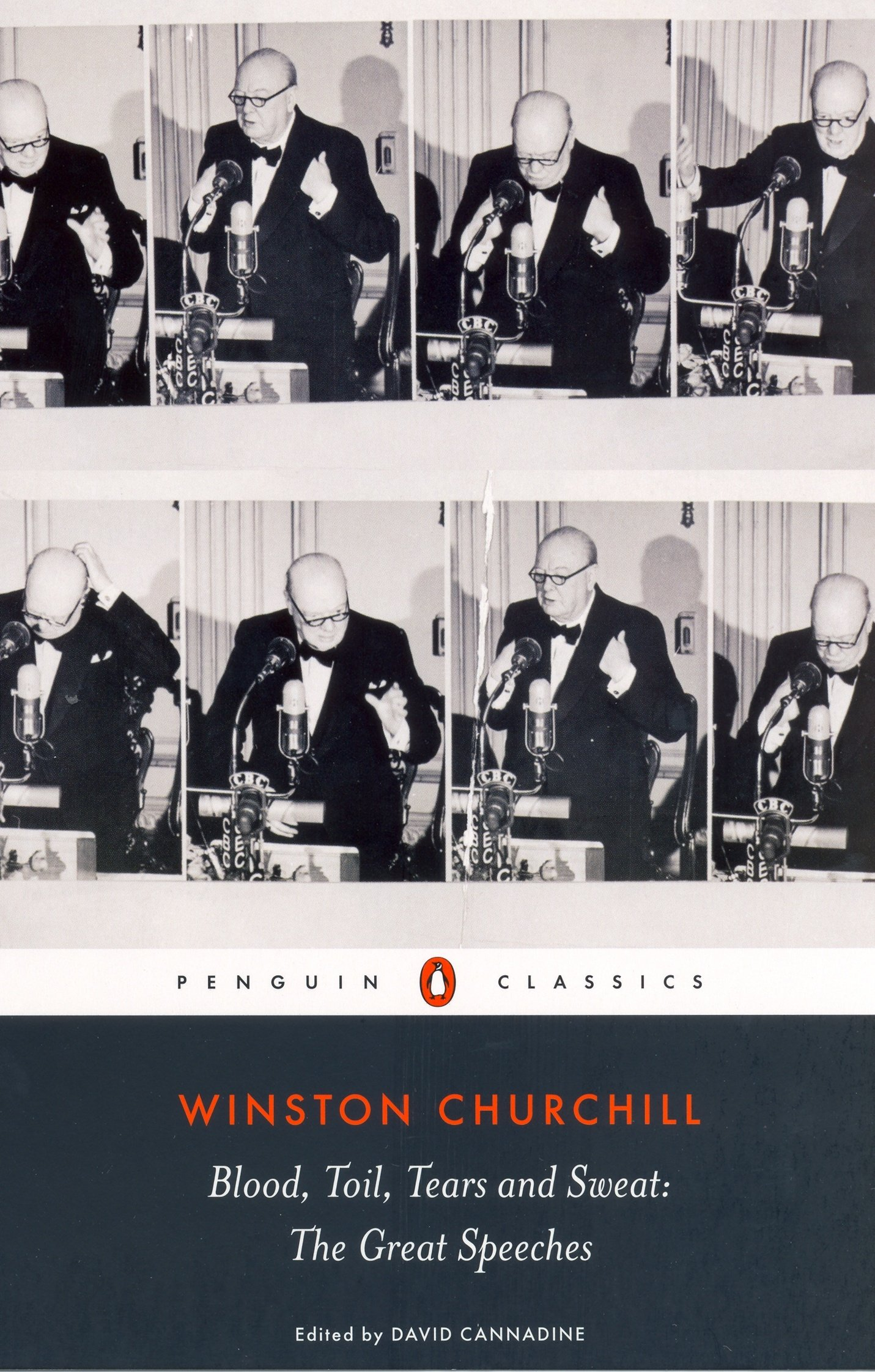
The most eloquent and expressive statesman of his time - phrases such as 'iron curtain', 'business as usual', 'the few', and 'summit meeting' passed quickly into everyday use - Winston Churchill used language as his most powerful weapon at a time when his most frequent complaint was that the armoury was otherwise empty. In this volume, David Cannadine selects thirty-three orations ranging over fifty years, demonstrating how Churchill gradually hones his rhetoric until the day when, with spectacular effect, 'he mobilized the English language, and sent it into battle' (Edward R. Murrow). Author: Winston Churchill ISBN:9780141442068
Read more
Show less
|
|
|
No comparison available for this listing.
Generate to see why you'd pick this one.
|
No comparison available for this listing.
Generate to see why you'd pick this one.
|
No comparison available for this listing.
Generate to see why you'd pick this one.
|
No comparison available for this listing.
Generate to see why you'd pick this one.
|