|
Description
|
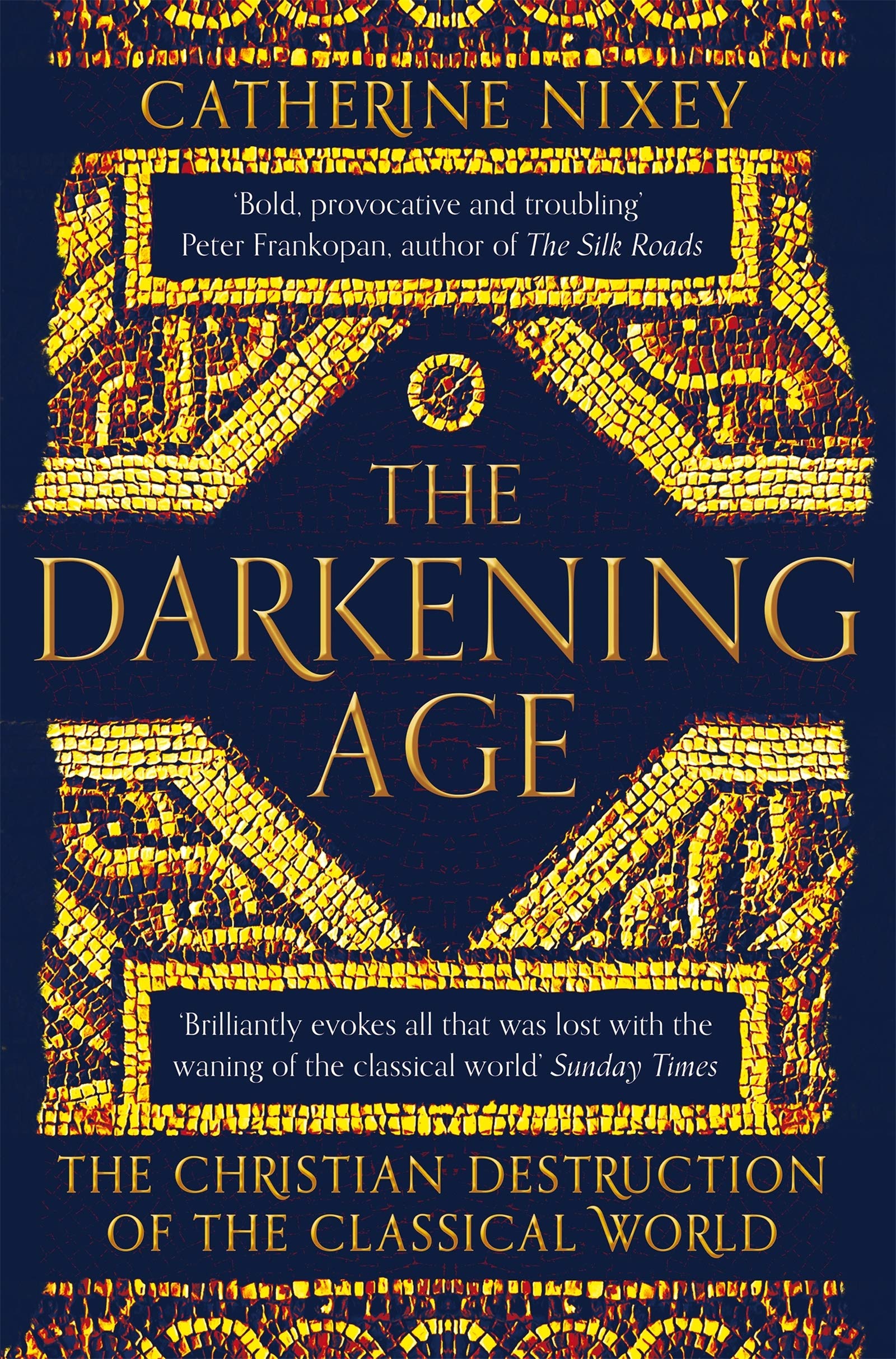
In The Darkening Age, Catherine Nixey tells the little-known - and deeply shocking - story of how a militant religion de...
In The Darkening Age, Catherine Nixey tells the little-known - and deeply shocking - story of how a militant religion deliberately tried to extinguish the teachings of the Classical world, ushering in unquestioning adherence to the 'one true faith'. The Roman Empire had been generous in embracing and absorbing new creeds. But with the coming of Christianity, everything changed. This new faith, despite preaching peace, was violent, ruthless and intolerant. And once it became the religion of empire, its zealous adherents set about the destruction of the old gods. Their altars were upturned, their temples demolished and their statues hacked to pieces. Books, including great works of philosophy and science, were consigned to the pyre. It was an annihilation. A Book of the Year in the Daily Telegraph, the Spectator, the Observer, and BBC History Magazine A New York Times Book Review Editors' Choice Winner of the Royal Society of Literature Jerwood Award for Nonfiction Author: Catherine Nixey ISBN:9781509816071
Read more
Show less
|
Western civilization’s rise to global dominance is the single most important historical phenomenon of the past fiv...
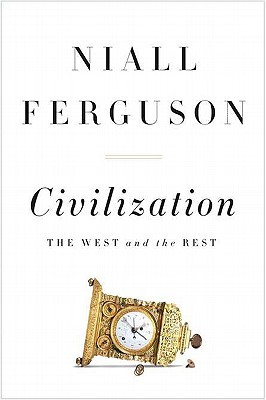
Western civilization’s rise to global dominance is the single most important historical phenomenon of the past five centuries. All over the world, more and more people study at Western-style universities, work for Western-style companies, vote for Western-style governments, take Western medicines, wear Western clothes, and play Western sports. Yet six hundred years ago the petty kingdoms of Western Europe seemed like miserable backwaters, ravaged by incessant war and pestilence. It was Ming China or Ottoman Turkey that had the look of world civilizations. How did the West overtake its Eastern rivals? And has the zenith of Western power now passed? In Civilization: The West and the Rest, acclaimed historian Niall Ferguson argues that, beginning in the fifteenth century, the West developed six powerful new concepts that the Rest lacked: competition, science, the rule of law, modern medicine, consumerism, and the work ethic. These were the ‘killer applications’ that allowed the West to leap ahead of the Rest; opening global trade routes, exploiting new scientific knowledge, evolving representative government, more than doubling life expectancy, unleashing the industrial revolution, and hugely increasing human productivity. Civilization shows exactly how a dozen Western empires came to control three-fifths of mankind and four-fifths of the world economy. Yet now, Ferguson argues, the days of Western predominance are numbered because the Rest have finally downloaded the six killer apps the West once monopolized – while the West has literally lost faith in itself. Chronicling the rise and fall of empires alongside the clashes of civilizations, Civilization recasts world history with verve and wit. Boldly argued but also teeming with memorable characters, this is Ferguson at his very best. Author: Niall Ferguson ISBN:9780141987934
Read more
Show less
|
A sweeping new history of how climate change and disease helped bring down the Roman Empire Here is the monumental retel...
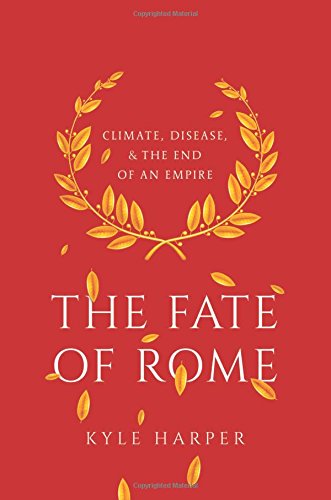
A sweeping new history of how climate change and disease helped bring down the Roman Empire Here is the monumental retelling of one of the most consequential chapters of human history: the fall of the Roman Empire. The Fate of Rome is the first book to examine the catastrophic role that climate change and infectious diseases played in the collapse of Rome's power--a story of nature's triumph over human ambition. Interweaving a grand historical narrative with cutting-edge climate science and genetic discoveries, Kyle Harper traces how the fate of Rome was decided not just by emperors, soldiers, and barbarians but also by volcanic eruptions, solar cycles, climate instability, and devastating viruses and bacteria. He takes readers from Rome's pinnacle in the second century, when the empire seemed an invincible superpower, to its unraveling by the seventh century, when Rome was politically fragmented and materially depleted. Harper describes how the Romans were resilient in the face of enormous environmental stress, until the besieged empire could no longer withstand the combined challenges of a "little ice age" and recurrent outbreaks of bubonic plague. A poignant reflection on humanity's intimate relationship with the environment, The Fate of Rome provides a sweeping account of how one of history's greatest civilizations encountered, endured, yet ultimately succumbed to the cumulative burden of nature's violence. The example of Rome is a timely reminder that climate change and germ evolution have shaped the world we inhabit--in ways that are surprising and profound. Author: Kyle Harper ISBN:9780691166834
Read more
Show less
|
A compulsively readable collection of all the nastiest things that have afflicted mankind Tsunamis, earthquakes, floods,...
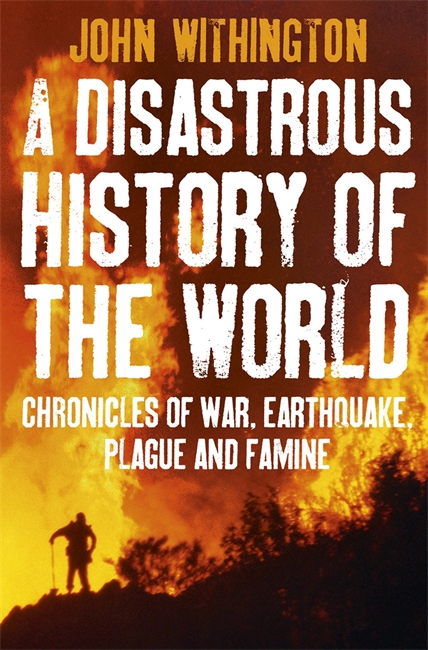
A compulsively readable collection of all the nastiest things that have afflicted mankind Tsunamis, earthquakes, floods, bird flu, international terrorism - the world seems to get more dangerous by the day. Or does it? John Withington's disturbing yet fascinating new book describes the worst things that have happened on Earth from the dawn of man to the present day. Part One chronicles all the major natural calamities - floods and earthquakes, volcanic eruptions, hurricanes and typhoons, plague and famine. Part Two describes in compelling detail the greatest man-made disasters - war and invasion, air raids, massacres, riots and terrorism, fires and explosions, shipwrecks, and air and train crashes. John Withington takes the reader on an epic journey through the annals of the nastiest things to have afflicted mankind. Out of all this horror, he has somehow fashioned a compulsively readble and entertaining book. Author: John Withington ISBN:9780749909789
Read more
Show less
|