|
Description
|
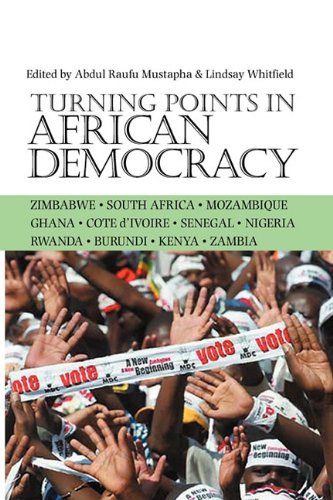
Radical changes have taken place in Africa since 1990. What are the realities of these changes? What significant differe...
Radical changes have taken place in Africa since 1990. What are the realities of these changes? What significant differences have emerged between African countries? What is the future for democracy in the continent? The editors have chosen eleven key countries to provide enlightening comparisons and contrasts to stimulate discussion among students. They have brought together a team of scholars who are actively working in the changing Africa of today. Each chapter is structured around a framing event which defines the experience of democratisation. The editors have provided an overview of the turning points in African politics. They engage with debates on how to study and evaluate democracy in Africa, such as the limits of elections. They identify four major themes with which to examine similarities and divergences as well as to explain change and continuity in what happened in the past. Abdul Raufu Mustapha is University Lecturer in African Politics at Queen Elizabeth House and Kirk-Greene Fellow at St Antony's College, University of Oxford; Lindsay Whitfield is a Research Fellow at the Danish Institute of International Studies, Copenhagen. Author: Abdul Raufu Mustafa, Lindsay Whitfield ISBN:9781847013163
Read more
Show less
|
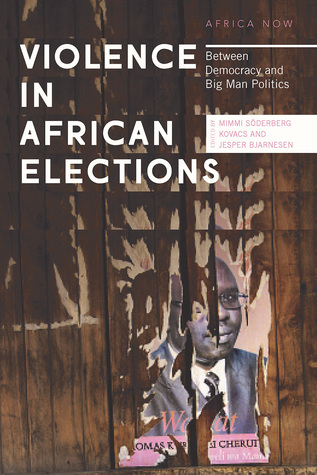
The holding of multiparty elections has become the bellwether by which all democracies are judged, and the spread of suc...
The holding of multiparty elections has become the bellwether by which all democracies are judged, and the spread of such systems across Africa has been widely hailed as a sign of the continent’s progress towards stability and prosperity. But such elections bring their own challenges, particularly the often intense internecine violence that can follow disputed results. While the consequences of such violence can be profound, undermining the legitimacy of the democratic process and in some cases plunging countries into civil war or renewed dictatorship, little is known about the causes of this violence. By mapping, analyzing, and comparing instances of election violence in different localities across Africa, this collection of detailed case studies sheds light on the underlying dynamics and sub-national causes behind electoral conflicts. It reveals them to be the result of a complex interplay between democratization and the older, patronage-based system of “Big Man” politics and offers practical suggestions for preventing such violence through improved electoral monitoring, voter education, and international assistance. Appealing to policy makers and scholars across the social sciences and humanities interested in democratization, peace-keeping, and peace studies, Violence in African Elections provides important insights into why some communities prove more prone to electoral violence than others, and what can be done to help more democracies succeed. Author: Mimmi Söderberg Kovacs (Editor), Jesper Bjarnesen (Editor) ISBN:9781786992284
Read more
Show less
|
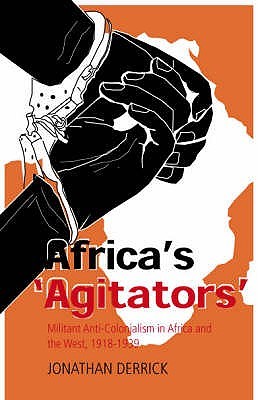
The period between the two World Wars were troubling years for colonial empire. Individuals and organizations began to c...
The period between the two World Wars were troubling years for colonial empire. Individuals and organizations began to call for major reforms and an end to white supremacy and colonial rule, contributing first to local unrest and protest and then to anticolonial activity not only in Africa but the United States and Europe as well. In this compelling history, Jonathan Derrick, a renowned scholar of Africa's past, recounts the opposition to British and French rule practiced both by Africans living on the continent and by European anticolonialists and members of the Black Diaspora. He covers campaigns waged by an early incarnation of the African National Congress and other groups in South Africa who fought against legal and other aspects of white minority rule. He also talks of the Kikuyu protests against the settler regime in Kenya; Marcus Garvey's African American movement and its role in sparking interest in Africa; the ?toile Nord Africaine, formed mainly by Algerians in France, that called for the independence of French North Africa; protests led by European critics against forced labor in Kenya and French Equatorial Africa; and the activity of small militant groups like the Ligue de D?fense de la Race N?gre (LDRN) in France and George Padmore's International African Service Bureau (IASB) in Britain. Derrick examines the role of the Comintern and Western Communist parties that were opposed to Western colonialism and ready to support militant action against it. He highlights common misunderstandings regarding the collaboration between Communists and other left-wing organizations on the one hand and African nationalists and pan-Africanists on the other, and examines the Communists' separation from Padmore, as well as the LDRN leader Garan Kouyate. He shows that, although colonial rulers greatly feared the specter of Communism in Africa, actual Communist activity was in fact quite small. Derrick reveals how, with the exception of a few colonies, anticolonial activity was easily organized, primarily because militants in Europe had the freedom to operate and create a tremendous impact. In the later 1930s, nationalist movements, fuelled by African outrage at the Italian occupation of Ethiopia, began to spread in parts of Africa. The approach and onset of the Second World War affected the rhetoric of anticolonialists, with French Communists opposing calls for independence as long as the danger of Nazism and Fascism existed, but some militants continued their anti-empire campaigns until 1939. The war then pushed colonial issues to the background, but as Derrick argues, in the long term the anticolonialists of the interwar era may have helped pave the way for later decolonization. Author: Jonathan Derrick ISBN:9781850659365
Read more
Show less
|
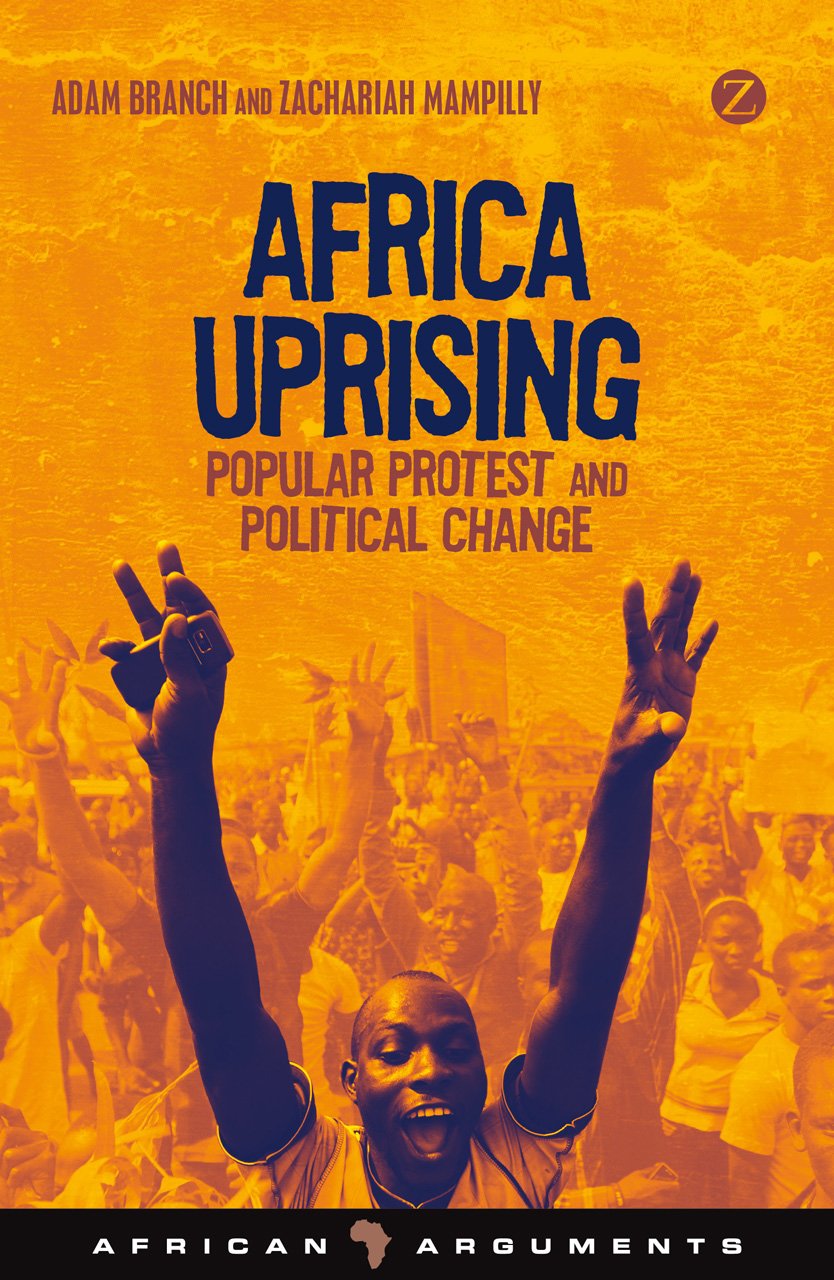
From Egypt to South Africa, Nigeria to Ethiopia, a new force for political change is emerging across Africa: popular pro...
From Egypt to South Africa, Nigeria to Ethiopia, a new force for political change is emerging across Africa: popular protest. Widespread urban uprisings by youth, the unemployed, trade unions, activists, writers, artists, and religious groups are challenging injustice and inequality. What is driving this new wave of protest? Is it the key to substantive political change? Drawing on interviews and in-depth analysis, Adam Branch and Zachariah Mampilly offer a penetrating assessment of contemporary African protests, situating the current popular activism within its historical and regional contexts. Author: Adam Branch and Zachariah Mampilly ISBN:9781780329970
Read more
Show less
|