|
Description
|
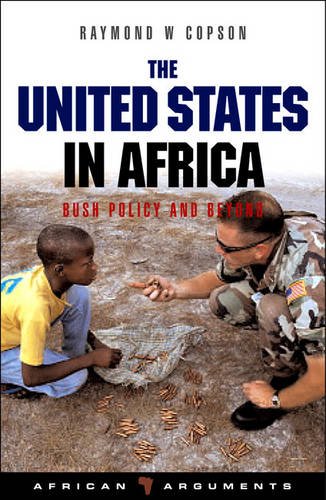
This book examines the George W. Bush administration's claim to have made major new contributions to health, development...
This book examines the George W. Bush administration's claim to have made major new contributions to health, development, democracy and peace in Sub-Saharan Africa. Though aid has increased and a major AIDS initiative launched, Copson argues that foreign aid is losing its focus on development as political priorities come to the fore; U.S. barriers to African exports remain substantial; and the AIDS program is unilateral and ideologically controversial. Increasingly military approaches to fighting the "Global War on Terror" in Africa and securing energy imports carries serious risks for the region. Copson concludes by assessing the prospects of a more equitable policy emerging in future administrations. Author: Raymond W. Copson ISBN:9781842779156
Read more
Show less
|
Africa is poor. If we send it money it will be less poor. It seems perfectly logical, doesn't it? Millions of people in...
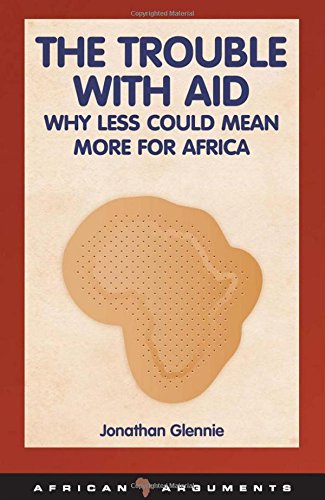
Africa is poor. If we send it money it will be less poor. It seems perfectly logical, doesn't it? Millions of people in the rich world, moved by images on television and appalled by the miserable conditions endured by so many in other countries, have joined campaigns to persuade their governments to double aid to Africa and help put an end to such shameful inequality. It seems simple. But it isn't. In this book, Jonathan Glennie argues that, along with its many benefits, government aid to Africa has often meant more poverty, more hungry people, worse basic services and damage to already precarious democratic institutions. Moreover, calls for more aid are drowning out pressure for action that would really make a difference for Africa’s poor. Rather than doubling aid to Africa, it is time to reduce aid dependency. Through an honest assessment of both the positive and negative consequences of aid, this book will show you why. Author: Jonathan Glennie ISBN:9781848130401
Read more
Show less
|
After years of frustration at the stifling atmosphere of political correctness surrounding discussions of Africa, long t...
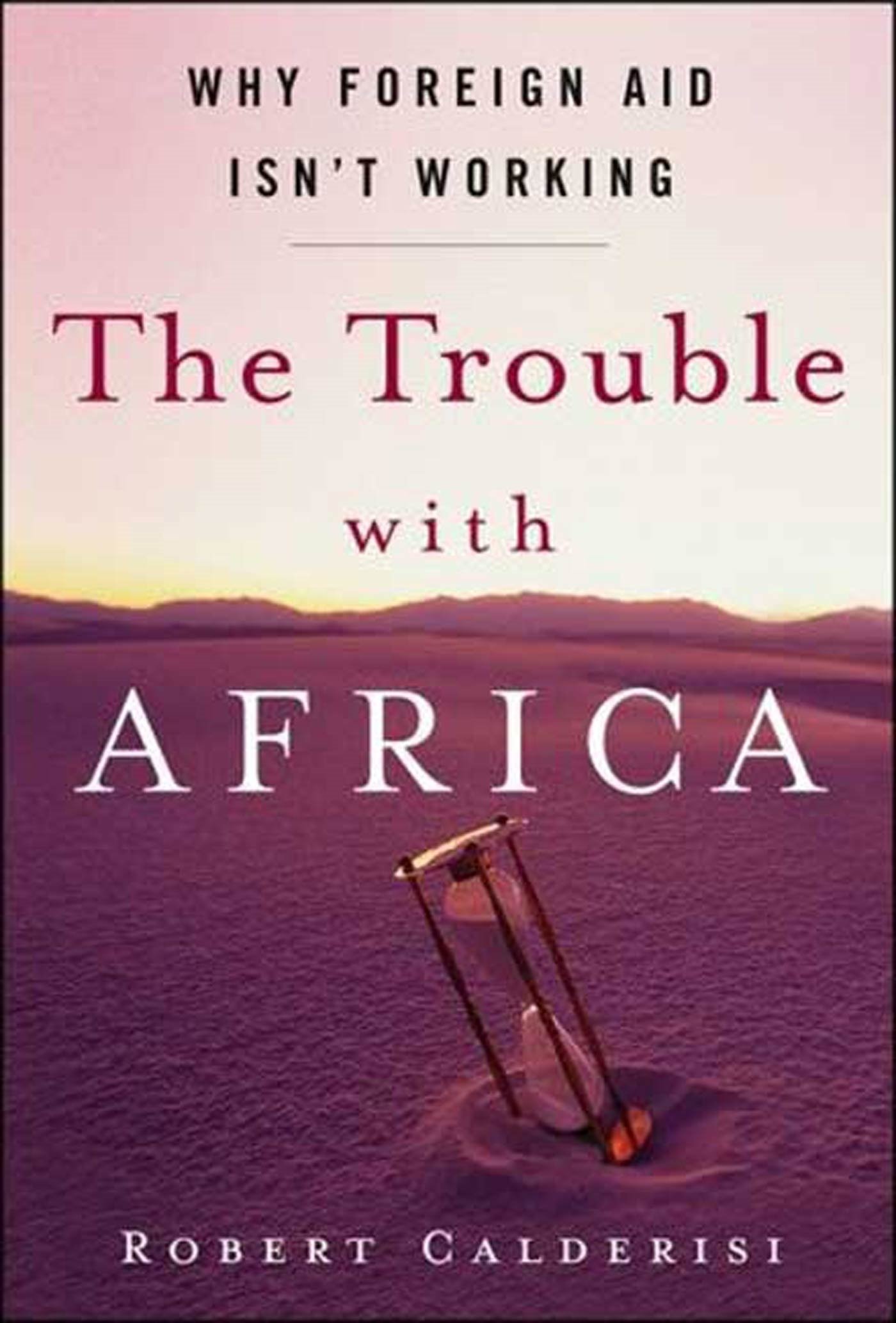
After years of frustration at the stifling atmosphere of political correctness surrounding discussions of Africa, long time World Bank official Robert Calderisi speaks out. He boldly reveals how most of Africa's misfortunes are self-imposed, and why the world must now deal differently with the continent. Here we learn that Africa has steadily lost markets by its own mismanagement, that even capitalist countries are anti-business, that African family values and fatalism are more destructive than tribalism, and that African leaders prey intentionally on Western guilt. Calderisi exposes the shortcomings of foreign aid and debt relief, and proposes his own radical solutions. Drawing on thirty years of first hand experience, The Trouble with Africa highlights issues which have been ignored by Africa's leaders but have worried ordinary Africans, diplomats, academics, business leaders, aid workers, volunteers, and missionaries for a long time. It ripples with stories which only someone who has talked directly to African farmers--and heads of state--could recount. Calderisi's aim is to move beyond the hand-wringing and finger-pointing which dominates most discussions of Africa. Instead, he suggests concrete steps which Africans and the world can take to liberate talent and enterprise on the continent. Author: Robert Calderisi ISBN:9781403976512
Read more
Show less
|
Africa has witnessed a number of transitions to democracy in recent years. Coinciding with this upsurge in democratic tr...
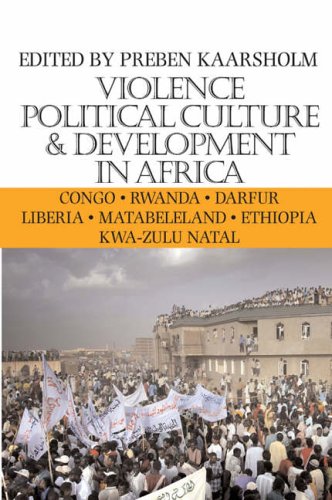
Africa has witnessed a number of transitions to democracy in recent years. Coinciding with this upsurge in democratic transitions there also have been spectacular experiences of social disintegration. An alternative to discourses of the 'failed' and 'collapsed' state in Africa is an approach that takes seriously the complexity of historical processes, on which the political development of individual nation states was based. The chapters in this volume run in a continuum from discussions of 'warlord politics' to an understanding of the 'new wars' in Africa as outcomes of fundamental changes in social solidarity. Wars and violent conflicts in Africa can thus be understood as responses to economic emergencies and political problems which are real, have histories, and can be engaged with constructively through both intellectual and practical efforts. Preben Kaarsholm is Associate Professor of International Development Studies at Roskilde Contributors include: WILLIAM RENO on state insurgencies, KOEN VLASSENROOT on eastern Congo; NIGEL ELTRINGHAM on Rwanda; DOUGLAS H. JOHNSON on Darfur; JOCELYN ALEXANDER on Matabeleland; ALESSANDRO TRIULZI on Ethiopia; PREBEN KAARSHOLM on KwaZulu-Natal; MATS UTAS on Liberia and PAUL RICHARDS on Sierra Leone. Author:Preben Kaarsholm ISBN:9780852558942
Read more
Show less
|
|
|
No comparison available for this listing.
Generate to see why you'd pick this one.
|
No comparison available for this listing.
Generate to see why you'd pick this one.
|
No comparison available for this listing.
Generate to see why you'd pick this one.
|
No comparison available for this listing.
Generate to see why you'd pick this one.
|