|
Description
|
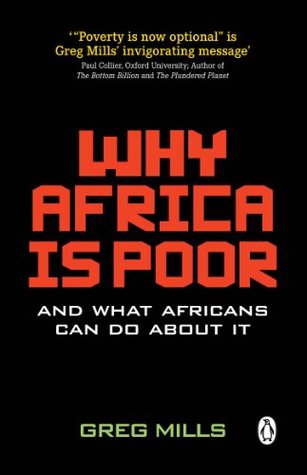
Why Africa is Poor looks at the fragile economic and political situation in Africa and makes the quite controversial arg...
Why Africa is Poor looks at the fragile economic and political situation in Africa and makes the quite controversial argument that the main reason Africa’s people are poor is due to the choices made by their leaders. Dr Greg Mills draws extensively from his experiences running various presidential-level advisory teams across the continent and examines the policy choices that have stunted African development. In providing some answers to the conundrum of development, the book focuses on the way the global economy works, Africa’s record and the choices made by its leaders, the role of the outside world and the global aid regime. It assesses whether the odds are in Africa’s favour and identifies the areas where African leadership could make better choices. Author: Greg Mills ISBN:9780143528098
Read more
Show less
|
After years of frustration at the stifling atmosphere of political correctness surrounding discussions of Africa, long t...
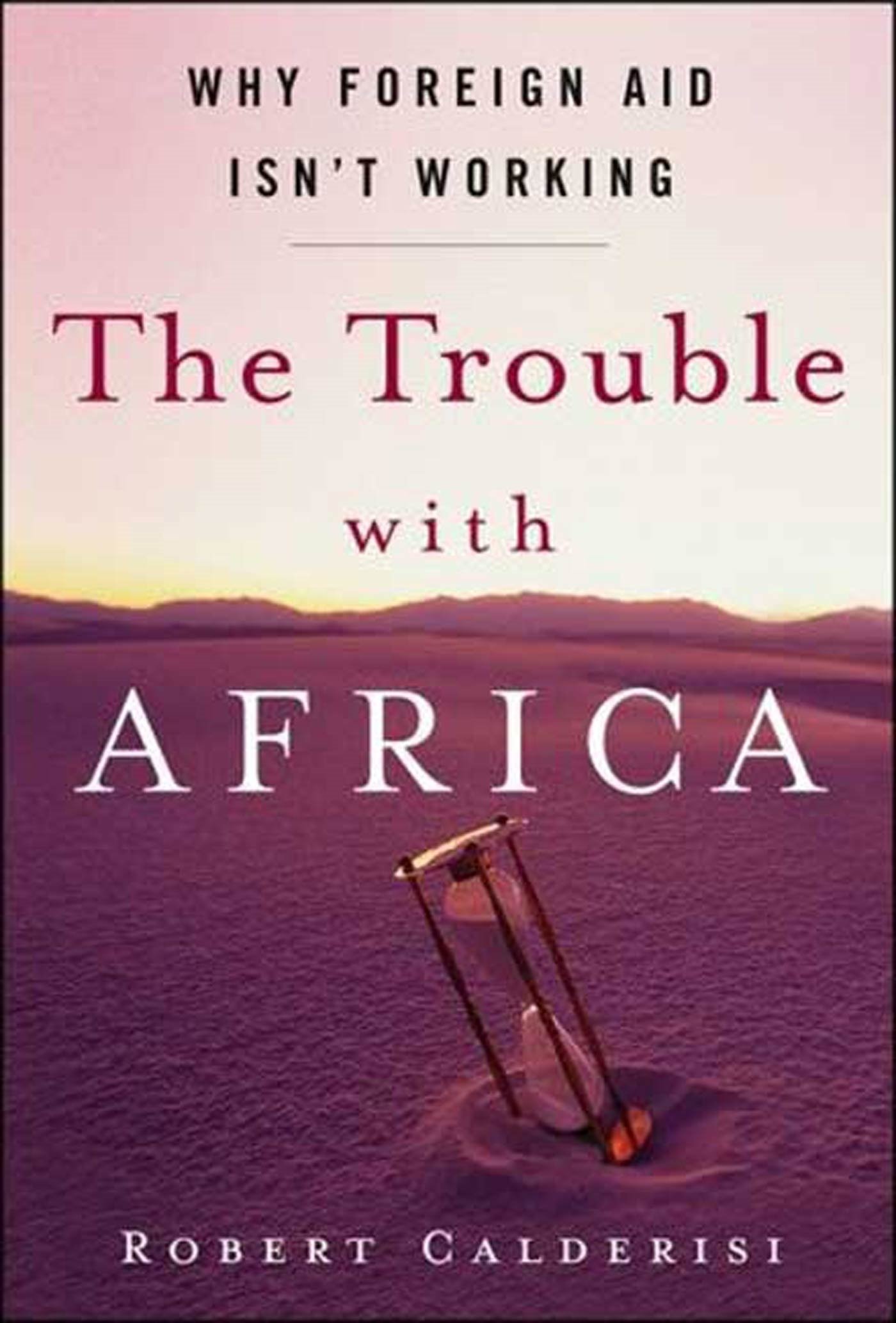
After years of frustration at the stifling atmosphere of political correctness surrounding discussions of Africa, long time World Bank official Robert Calderisi speaks out. He boldly reveals how most of Africa's misfortunes are self-imposed, and why the world must now deal differently with the continent. Here we learn that Africa has steadily lost markets by its own mismanagement, that even capitalist countries are anti-business, that African family values and fatalism are more destructive than tribalism, and that African leaders prey intentionally on Western guilt. Calderisi exposes the shortcomings of foreign aid and debt relief, and proposes his own radical solutions. Drawing on thirty years of first hand experience, The Trouble with Africa highlights issues which have been ignored by Africa's leaders but have worried ordinary Africans, diplomats, academics, business leaders, aid workers, volunteers, and missionaries for a long time. It ripples with stories which only someone who has talked directly to African farmers--and heads of state--could recount. Calderisi's aim is to move beyond the hand-wringing and finger-pointing which dominates most discussions of Africa. Instead, he suggests concrete steps which Africans and the world can take to liberate talent and enterprise on the continent. Author: Robert Calderisi ISBN:9781403976512
Read more
Show less
|
Between 2000 and 2010, six of the ten fastest-growing economies worldwide were African. In this favorable environment, h...
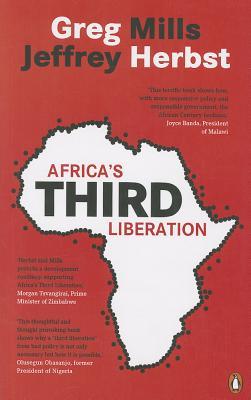
Between 2000 and 2010, six of the ten fastest-growing economies worldwide were African. In this favorable environment, how do we make sure jobs and poverty reduction follow? Now is the time for African countries to consider how economic growth and political liberalization should reinforce each other. Africa has experienced two liberations: the first from colonial and racist regimes and the second from the autocrats who often followed foreign rule. At the end of the 1970s, just three African countries regularly held multiparty elections; more than 40 do today. Africa’s political evolution points to a third liberation, one from political economies characterized by graft, crony capitalism, rent-seeking, elitism and social inequality. This liberation will open up the economic space in which business can compete, a necessary condition for expanding employment. The debate is about how Africa can realize its economic potential and avoid the disappointments of the first 50 years of independence. Using examples from Central and South America, South-East and South Asia, and the Middle East, the authors examine what means are best to match political liberalization with growth. Author: Greg Mills ISBN:9780143538820
Read more
Show less
|
Africa is poor. If we send it money it will be less poor. It seems perfectly logical, doesn't it? Millions of people in...
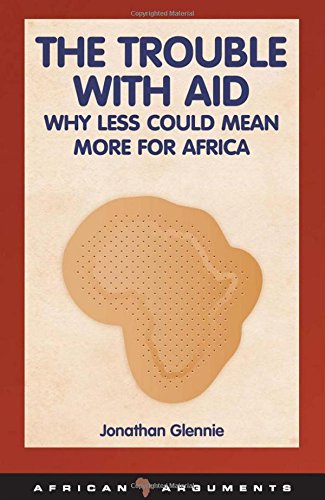
Africa is poor. If we send it money it will be less poor. It seems perfectly logical, doesn't it? Millions of people in the rich world, moved by images on television and appalled by the miserable conditions endured by so many in other countries, have joined campaigns to persuade their governments to double aid to Africa and help put an end to such shameful inequality. It seems simple. But it isn't. In this book, Jonathan Glennie argues that, along with its many benefits, government aid to Africa has often meant more poverty, more hungry people, worse basic services and damage to already precarious democratic institutions. Moreover, calls for more aid are drowning out pressure for action that would really make a difference for Africa’s poor. Rather than doubling aid to Africa, it is time to reduce aid dependency. Through an honest assessment of both the positive and negative consequences of aid, this book will show you why. Author: Jonathan Glennie ISBN:9781848130401
Read more
Show less
|