|
Description
|
In a time of rapid change in the world economy, this fascinating, concise, and user-friendly primer is the most reliable...
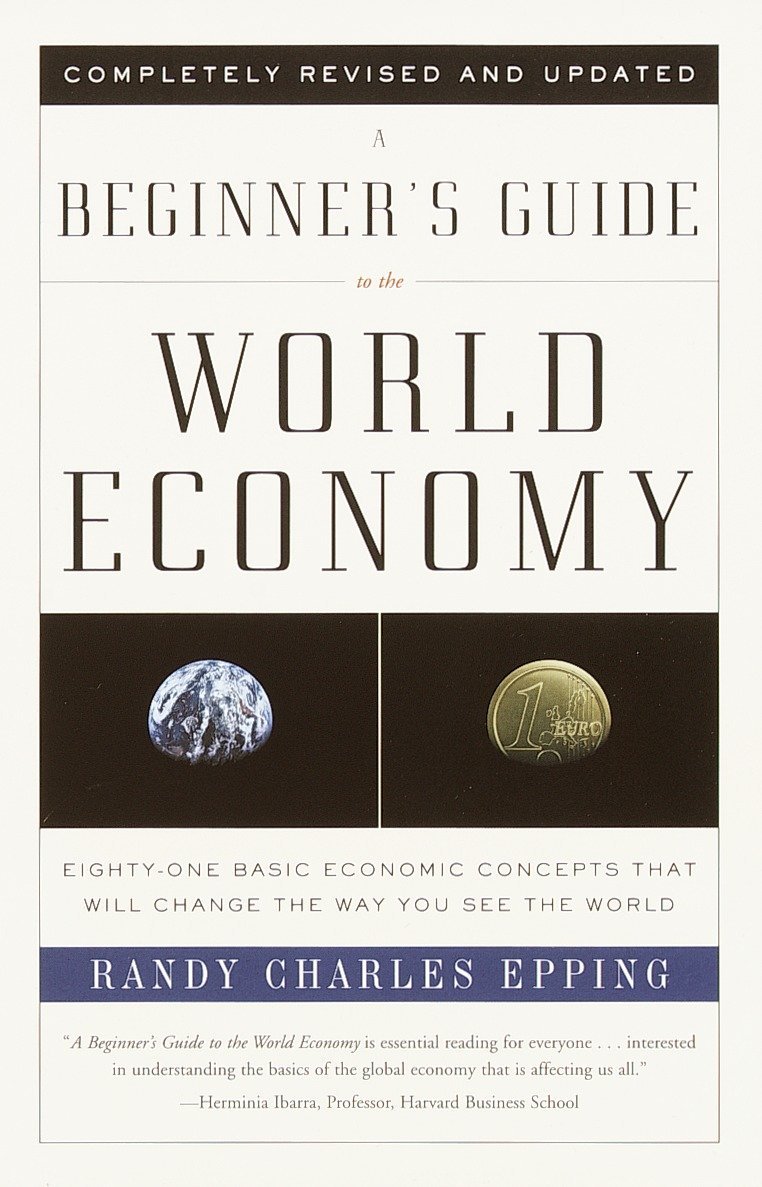
In a time of rapid change in the world economy, this fascinating, concise, and user-friendly primer is the most reliable tool for keeping track of what's happening. What is the new economy? What is globalization? Is the euro the final seal on European Union? How is e-commerce transforming our world beyond economics? What is virtual money, and does it have real value? How do social concerns and societal ills (drugs, poverty, AIDS, endangered natural resources) play a part in the rapidly changing world economy? What are multinationals, and do they signal the end of nationalism? These and many other pertinent issues are addressed in an enlightening and entertaining handbook for those who want to be economically literate (and who doesn't?). Author: Randy Charles Epping ISBN:9780375725791
Read more
Show less
|
A witty, entertaining, accessible introduction to modern economic thought. Buchholz shows how the ideas of the great eco...
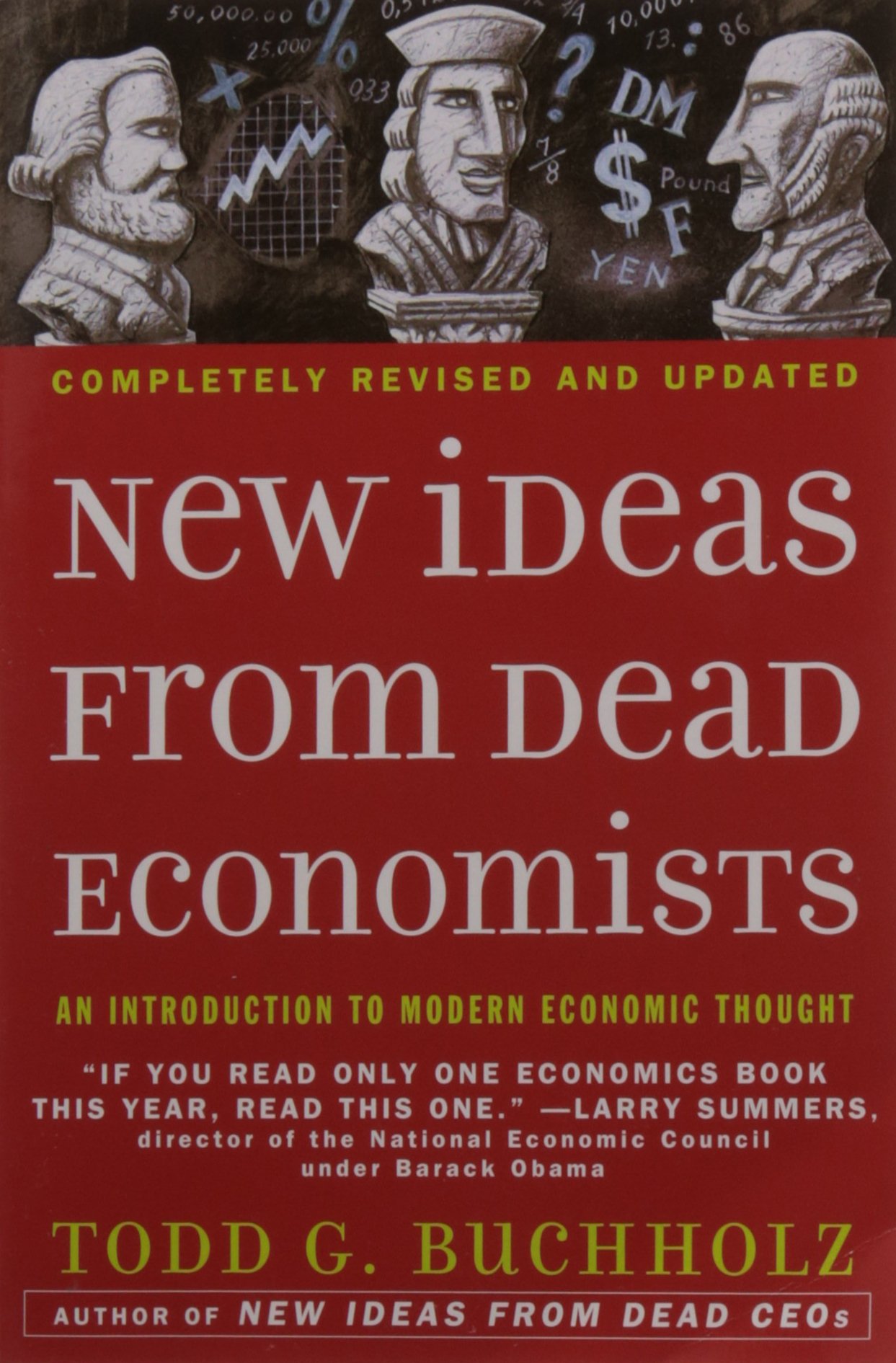
A witty, entertaining, accessible introduction to modern economic thought. Buchholz shows how the ideas of the great economic thinkers throughout history - Adam Smith, John Stuart Mill, Karl Marx, John Maynard Keynes, and others - apply to the world today. Each chapter is centred around one economist. The author seamlessly combines colourful historical anecdotes with explanations of how a particular economist influenced the way we think about the world today, making this a great read for anyone wanting to learn more about economics. This edition contains about 10,000 words of new material on the economic issues we are facing in the 21st century: Increasing demand for energy, the rise of China, international trade, ageing populations, health care and even global warming. Most of the new material will be integrated into the existing text in the appropriate chapter, and examples will be updated throughout. The author is also writing a new preface. Author: Todd G Buchholz ISBN:9780452288447
Read more
Show less
|
Based on the series produced for the BBC World Service Who thought up paper money? How did the contraceptive pill change...
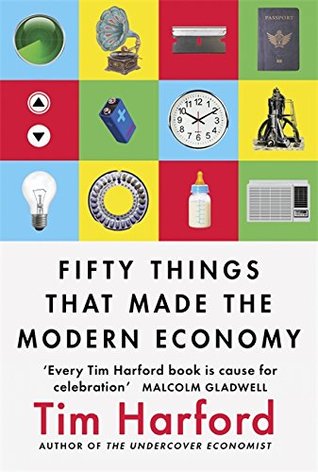
Based on the series produced for the BBC World Service Who thought up paper money? How did the contraceptive pill change the face of the legal profession? Why was the horse collar as important for human progress as the steam engine? How did the humble spreadsheet turn the world of finance upside-down? The world economy defies comprehension. A continuously-changing system of immense complexity, it offers over ten billion distinct products and services, doubles in size every fifteen years, and links almost every one of the planet's seven billion people. It delivers astonishing luxury to hundreds of millions. It also leaves hundreds of millions behind, puts tremendous strains on the ecosystem, and has an alarming habit of stalling. Nobody is in charge of it. Indeed, no individual understands more than a fraction of what's going on. How can we make sense of this bewildering system on which our lives depend? From the tally-stick to Bitcoin, the canal lock to the jumbo jet, each invention in Tim Harford's fascinating new book has its own curious, surprising and memorable story, a vignette against a grand backdrop. Step by step, readers will start to understand where we are, how we got here, and where we might be going next. Hidden connections will be laid bare: how the barcode undermined family corner shops; why the gramophone widened inequality; how barbed wire shaped America. We'll meet the characters who developed some of these inventions, profited from them, or were ruined by them. We'll trace the economic principles that help to explain their transformative effects. And we'll ask what lessons we can learn to make wise use of future inventions, in a world where the pace of innovation will only accelerate. Author: Tim Harford ISBN:9781408709115
Read more
Show less
|
Throughout the Western world, governments and financial elites responded to the financial crisis of 2008 by trying to re...
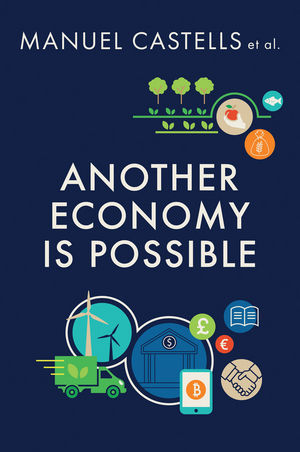
Throughout the Western world, governments and financial elites responded to the financial crisis of 2008 by trying to restore the conditions of business as usual, but the economic, social and human damage inflicted by the crisis has given rise to a reconsideration of the inevitability of unfettered capitalism as a fact of life. A number of economic practices and organizations emerged in Europe and the United States that embodied alternative values: the value of life over the value of money; the effectiveness of cooperation over cut-throat competition; the social responsibility of corporations and responsible regulation by governments over the short-term speculative strategies that brought the economy to the brink of catastrophe. This book examines the blossoming of innovative new experiments in organizing work and life that emerged in the wake of the financial crisis: cooperatives, barter networks, ethical banking, community currencies, shared time banks, solidarity networks, sharing of goods, non-monetary transactions, etc., experiments that paved the way for the emergence of a sharing economy in all domains of activity oriented toward the satisfaction of human needs. Other innovations included the creation of cryptographic virtual currencies, epitomized by bitcoin, which blended a libertarian, entrepreneurial spirit with information technology to provide an alternative to standard forms of currency. On the basis of a cross-cultural analysis of alternative economic practices, this book develops an important theoretical argument: that the economy, as a human practice, is shaped by culture, and that the diversity of cultures, as revealed in a time of crisis, implies the possibility of different economies depending on the values and power relations that define economic institutions. This book will be of great interest to students and scholars in sociology, economics and the social sciences generally, and to anyone who wishes to understand how our societies and economies are changing today. (less) Author: Manuel Castlells ISBN:9781509517213
Read more
Show less
|